

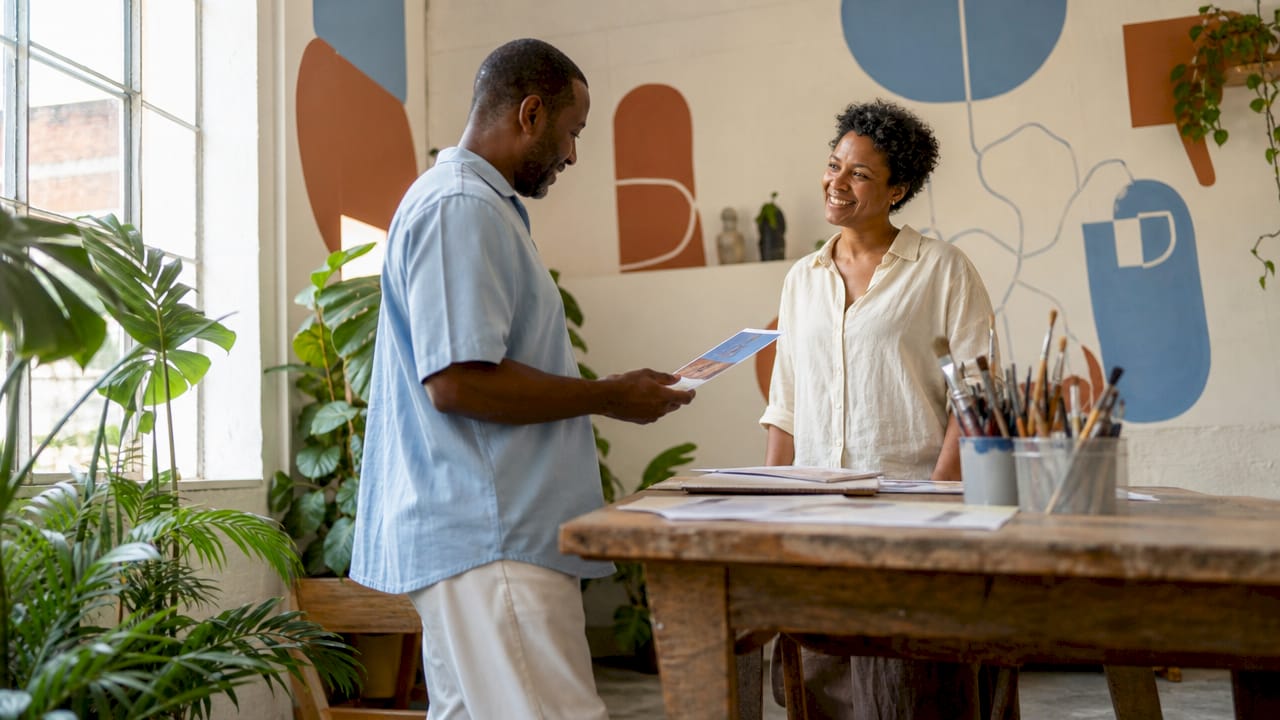
Art studio events are organized gatherings where working artists open their creative spaces to the public, offering direct access to original work, artistic process, and genuine human connection. Unlike a gallery visit, these events place you inside the artist’s actual environment. You see the half-finished canvases, the paint-stained tables, the tools of a real practice. Knowing how to attend art studio events properly transforms what could be a casual afternoon into something that sticks with you. This guide covers everything from finding local events to engaging with artists in a way that feels natural, not forced.
What you need to know before attending an art studio event
Finding art studio events is easier than most people expect. City arts councils, neighborhood Facebook groups, Eventbrite, and local gallery websites all post event listings regularly. Many cities also maintain dedicated arts calendars. London, Ontario’s Artists’ Studio Tour, for example, publishes full schedules and maps on its official site weeks in advance. Instagram is particularly useful because artists announce events on their own profiles, giving you a direct line to the source before tickets or spots fill up.
Not all studio events work the same way, and knowing the difference saves you time and money.
| Event type | Registration required | Typical cost | Duration |
|---|---|---|---|
| Open studio tour | No | Free | Weekend, 1pm to 5pm |
| Artist workshop | Yes | $15 to $3,000 | 4 hours to one week |
| Exhibition opening | No | Free | 2 to 4 hours |
| Residency open house | No | Free | Half day |
Open studio events are typically free, self-guided, and require no registration. They often run on weekends and cover dozens or even hundreds of artists across a city. Many use specific signage, like a red heart symbol, to mark participating studios so you can navigate without a printed map. This format is the lowest-barrier entry point into the art world, and it is exactly where most people should start.
Workshops are a different commitment entirely. Art workshops require paid registration, with costs ranging from $15 for a virtual session to $3,000 for a multi-day residency, and they typically cap enrollment at around eight participants. That small group size is the point. You get real instruction and real access, not a crowd experience.
- Check event websites for parking, accessibility, and whether children are welcome
- Confirm whether the event is drop-in or ticketed before you show up
- Follow the hosting artist or organization on social media for last-minute updates
- Bring cash, since many artists at open studios do not accept cards
Pro Tip: Set a Google Alert for “[your city] + open studio” or “[your city] + art workshop” to catch new event announcements the moment they go live.
How to navigate art studio events step by step
Arriving with a loose plan makes the experience far less overwhelming. Before you go, pull up a map of participating studios, identify three or four you genuinely want to see, and build a rough route. Weekend morning slots tend to be quieter, which means more time with the artist and less competition for conversation. If an event runs from 1pm to 5pm, arriving at 1:15pm puts you ahead of the afternoon crowd.
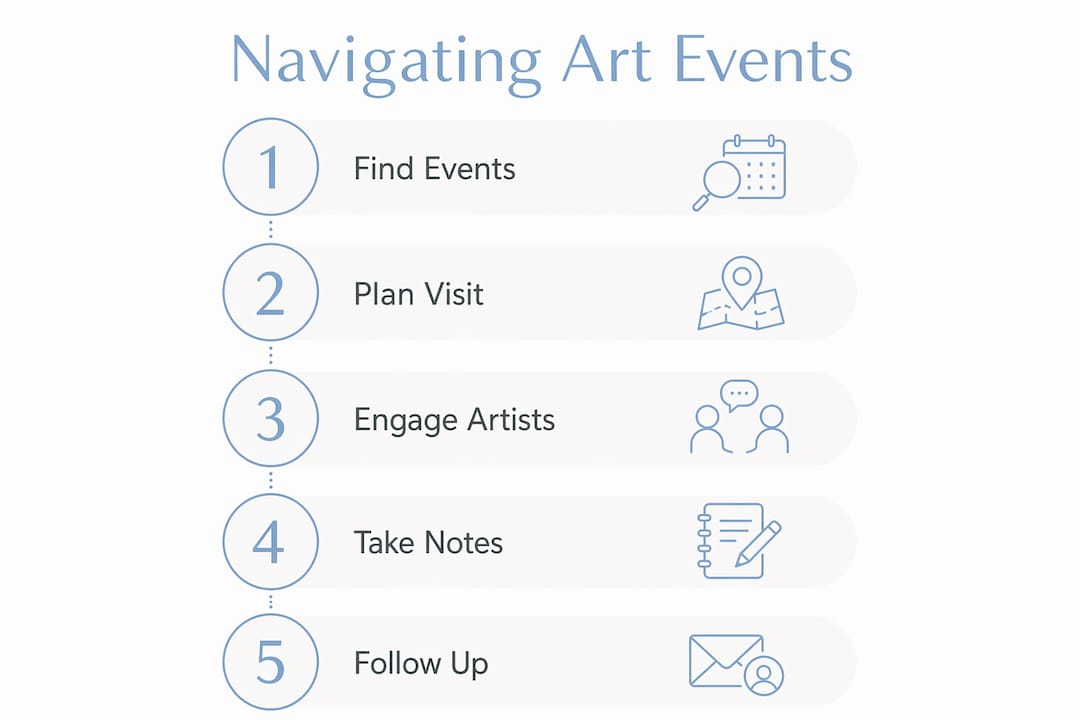
Once you are inside a studio, use what art educators call the two-pass visiting approach. The first pass is museum mode. Walk through the space quietly, let the work register emotionally, and resist the urge to immediately ask questions or form opinions out loud. The second pass is curiosity mode. Return to the pieces that stopped you and start asking questions. This method prevents the information overload that turns a promising visit into a blur.
Here is a practical sequence for your visit:
- Walk the full studio space before engaging with anyone
- Identify one or two works that genuinely interest you
- Approach the artist with a specific observation, not a generic compliment
- Ask about process, materials, or what inspired a particular piece
- Take a photo of any work you want to remember, unless signs prohibit it
- Note the artist’s name and social handle before you leave
Taking photos and brief notes about artworks helps you remember preferences and informs future selections. Most open studios actively encourage photography for personal use. A quick photo paired with a note about what drew you to the piece becomes a useful reference when you are thinking about art for your home months later.
| Approach | What it looks like | Why it works |
|---|---|---|
| Museum mode first | Silent observation, no conversation | Lets emotion register before analysis |
| Curiosity mode second | Targeted questions about specific pieces | Produces deeper, more memorable exchanges |
| Generic compliment | “I love everything here” | Artists hear this constantly; it closes conversation |
| Specific observation | “The texture in the lower left corner caught me” | Opens a real dialogue about process |
Pro Tip: Ask artists what they are currently working on, not just what is on display. That question almost always leads to the most honest and interesting conversation of the visit.
How to deepen your experience through attending art workshops
Attending art workshops is a fundamentally different experience from visiting an open studio. A workshop asks something of you. You show up with materials, you make things, you fail in front of other people, and that shared vulnerability builds a kind of community that a self-guided tour cannot replicate. Artists benefit greatly from these personal connections, and so do participants who return year after year.
Workshop formats vary widely, and matching the format to your experience level matters.
- Introductory sessions (2 to 4 hours): Ideal for complete beginners. Usually cover one technique, one material. Cost typically runs $15 to $75.
- Half-day workshops: Common for printmaking, encaustic, or watercolor. Expect to leave with one finished piece.
- Full-day intensives: Suited for people with some prior exposure. Costs range from $150 to $400.
- Multi-day residencies: Week-long programs with eight or fewer participants. Costs can reach $3,000 and often include accommodation.
Choosing the right workshop comes down to two questions: what medium genuinely interests you, and how much time you can commit? If you have never held a brush in twenty years, a multi-day residency is not the right starting point. A two-hour introductory session at a local studio gives you enough exposure to know whether you want more.
What to bring depends on the workshop, but a few items apply universally. Wear clothes you do not mind ruining. Bring a water bottle and a snack if the session runs longer than three hours. Carry a small notebook for observations that are not about your own work. And arrive five minutes early, because instructors almost always use the first few minutes to set context that shapes the entire session.
Art educators view studio visits as a powerful way to train your eye and build richer art appreciation beyond what museums offer. Workshops accelerate that process because you are not just looking. You are doing.
Common challenges for first-time attendees
The single biggest misconception about art studio events is that you need to be a buyer or an expert to belong there. Organizers actively welcome visitors regardless of art knowledge and encourage honest engagement precisely because it demystifies the art world. You do not need to know the difference between encaustic and fresco to have a meaningful conversation with the artist who makes them.
A few challenges come up repeatedly for first-timers, and all of them are manageable.
- Feeling obligated to buy: You are not. Artists understand that most visitors are there to look and connect. A genuine conversation is worth more to many artists than a reluctant sale.
- Art jargon overload: If an artist uses a term you do not recognize, ask them to explain it. That question almost always produces a better conversation than nodding along.
- Fair fatigue: Visiting too many studios in one day flattens the experience. Three studios with real engagement beats eight studios with surface-level scanning.
- Not knowing what to say: Visitors are encouraged to be genuinely curious and honest about their knowledge. “I don’t know much about this medium, but this piece stopped me” is a perfectly good opening.
For newcomers who are thinking about collecting, starting with drawings, prints, and photographs builds confidence before exploring larger or more complex works. These media are accessible in both price and concept, and they teach you a lot about what you actually respond to before you commit to something significant.
Pro Tip: After a studio visit, follow the artists you connected with on Instagram and send a short message referencing something specific from your conversation. That follow-up is what turns a single visit into a lasting relationship.
Key takeaways
Attending art studio events rewards preparation, genuine curiosity, and a willingness to engage directly with artists rather than treating their spaces like passive galleries.
| Point | Details |
|---|---|
| Know your event type | Open studios are free and self-guided; workshops require registration and payment. |
| Use the two-pass method | Walk through in museum mode first, then return to favorites in curiosity mode. |
| Ask specific questions | Reference a particular piece or technique to open real dialogue with artists. |
| Start with accessible media | Prints, drawings, and photographs build confidence for first-time collectors. |
| Follow up after the visit | A direct message referencing your conversation converts a visit into a lasting connection. |
What studio visits have taught me about looking at art
I have attended more open studios than I can count at this point, and the thing that still surprises me is how different the same artwork looks inside the studio versus on a gallery wall. In the studio, you see the context. You see what is pinned above the desk, what music is playing, what the artist keeps returning to. That context does not just add information. It changes what you see in the work itself.
The two-pass method changed how I move through any art space, not just studios. I used to feel pressure to react immediately, to say something intelligent before I had actually absorbed anything. Giving yourself permission to be quiet first is not passive. It is the most active form of looking there is.
What I tell anyone attending their first open studio is this: go with no agenda beyond genuine curiosity. Do not go to buy. Do not go to impress anyone. Go because you want to understand how someone else sees the world. Open studio tours provide long-term career benefits to artists through visibility and community impact well beyond any single transaction. That means your presence matters even when you leave empty-handed.
The art world has a reputation for being intimidating, and some corners of it are. But working artists in their own studios are almost universally generous with their time and knowledge. They want you there. Show up, be honest, and let the work do what it is supposed to do.
— DAVID
Bring the studio experience home with Agostudio
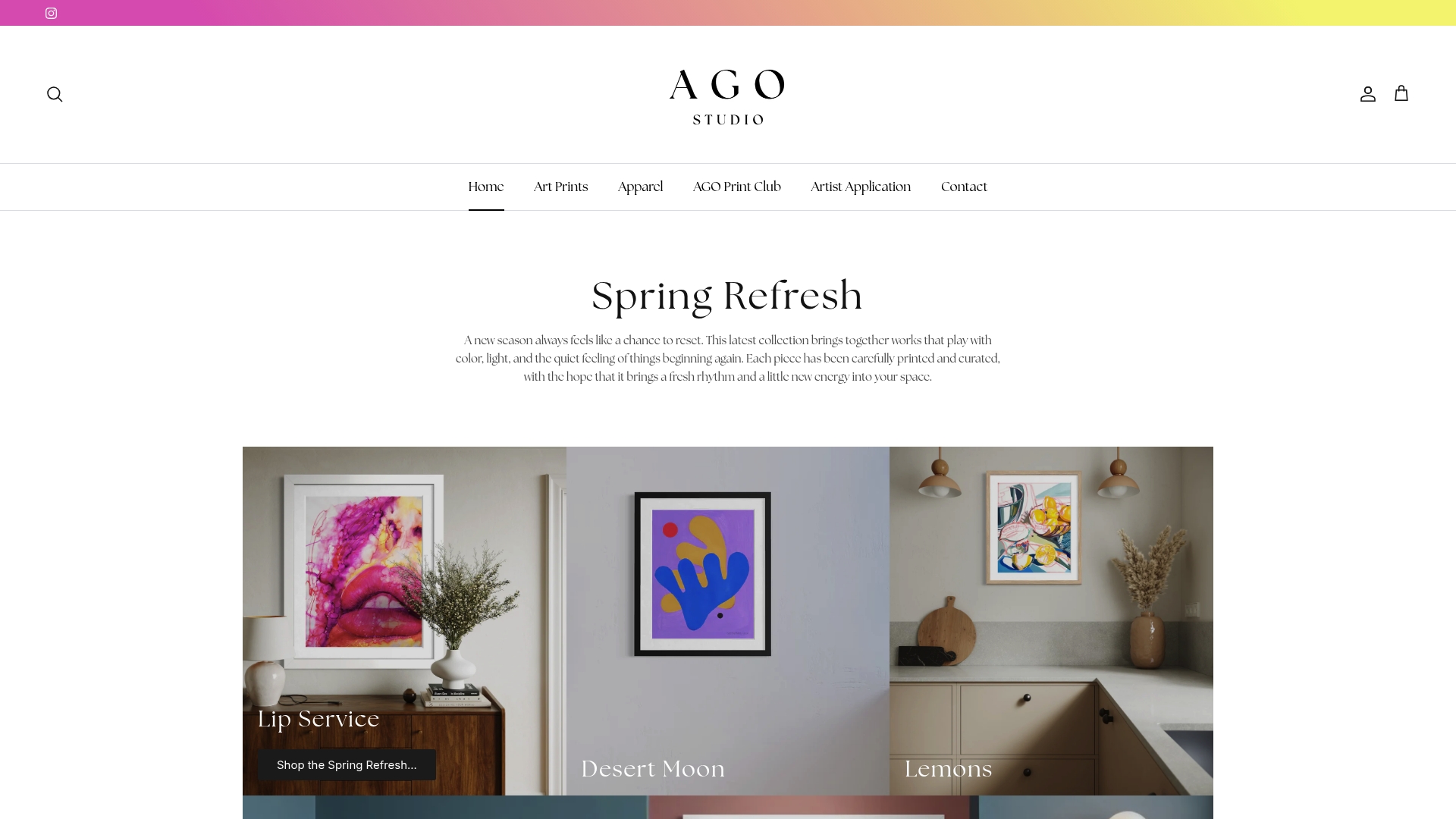
Attending a studio event plants something in you. You see a piece that stays with you for days, and then you wonder how to keep that feeling alive. Agostudio curates original artworks and artist prints that carry the same authenticity you find in a working studio. Every piece in the collection is selected because it evokes something real, not because it matches a trend. If a studio visit sparked your interest in collecting, the Agostudio art prints collection is a natural next step. For those who want ongoing access to curated work from real artists, the AGO Studio Artist Print Club delivers that connection directly to your door every month.
FAQ
What is an open studio event?
An open studio event is a free, self-guided public visit to a working artist’s studio, typically held on weekends. No registration is required, and visitors can walk in, view original work, and speak directly with the artist.
Do I need to buy something at an art studio event?
No. Organizers and artists welcome visitors who come purely to look and connect. A genuine conversation is considered meaningful support even without a purchase.
How do I find local art studio events near me?
Check your city’s arts council website, search Eventbrite for studio tours, and follow local artists on Instagram. Many open studio tours publish full maps and schedules weeks in advance on dedicated event sites.
What should I bring to an art studio event?
Bring comfortable shoes, a phone for photos and notes, and cash for any purchases since many artists do not accept cards. For workshops, confirm the supply list with the organizer beforehand.
How much do art workshops cost?
Art workshop costs range from $15 for a short virtual session to $3,000 for a multi-day residency. Most introductory in-person sessions fall between $50 and $150 for a half-day format.