

Original prints are defined as hand-pulled artworks created by an artist using a transfer matrix, making them genuine originals rather than reproductions. The four main types of printmaking affordable originals fall into are relief, intaglio, planographic, and stencil techniques. Each category produces limited edition works that cost far less than unique paintings while retaining full original status. For first-time buyers and home decorators, understanding these methods is the fastest way to build a meaningful collection on a real budget.
1. Types of printmaking affordable originals: relief printing
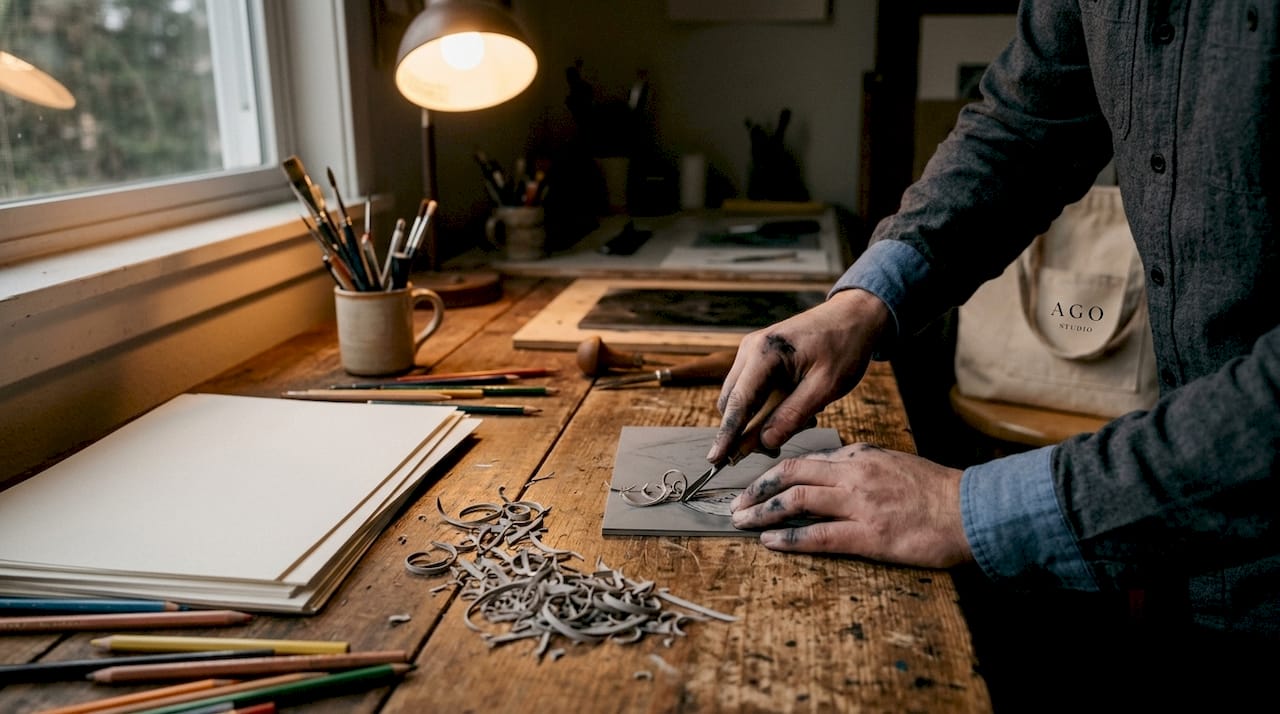
Relief printmaking is the oldest and most accessible category of original print techniques. Woodcut and linocut are the two methods you will encounter most often in affordable original art collections.
In relief printing, the artist carves away areas of a flat surface, leaving raised sections that carry ink. The raised image transfers directly to paper when pressed by hand or with a simple press. Woodcut printmaking uses gouging tools on wood blocks, inking the raised areas and hand-pressing paper to create bold, textured works.
Key characteristics of relief prints:
- Bold lines and strong contrast from the carved surface
- Visible texture that gives each print a handmade quality
- Wood blocks or linoleum sheets as the primary matrix materials
- Hand-inking and pressing that creates slight variations between prints
- Limited edition numbering that confirms original status
Linocut uses softer linoleum instead of wood, making carving easier and faster. This lower material cost passes directly to the buyer, keeping prices accessible without reducing artistic quality. Relief prints work well in living rooms, hallways, and reading nooks because their graphic quality reads clearly from a distance.
Pro Tip: Linocut prints are the best entry point for first-time buyers. The softer carving surface lets artists produce vibrant, detailed work at lower cost, which means you get more visual impact per dollar.
2. Intaglio printmaking: etching and engraving for affordable originals
Intaglio is the opposite of relief. The artist incises lines directly into a metal plate, usually copper or zinc, and ink fills those recessed grooves. Wiping the surface clean leaves ink only in the cut lines. When damp paper is pressed hard against the plate, it pulls the ink out and captures the image.
Etching and engraving are the two most common intaglio methods. Etching uses acid to bite lines into the plate after the artist draws through a protective ground. Engraving uses a sharp tool called a burin to cut directly into the metal. Both methods produce fine detail and rich tonal ranges that no digital reproduction can fully replicate.
What to look for in intaglio prints:
- Plate mark: a visible indentation in the paper from the metal plate edge, confirming hand-printing
- Fine lines and crosshatching that create depth and shadow
- Rich blacks and subtle mid-tones from ink held in recessed grooves
- Archival paper that holds detail without yellowing over time
- Edition numbers and artist signature in pencil below the image
Intaglio prints sit at a slightly higher price point than linocuts because the plate preparation takes more time. That said, small editions from emerging artists remain well within an affordable original art budget. The edition number and archival paper are the two most reliable markers of value and longevity.
Pro Tip: Always ask for the edition size before buying an intaglio print. A print numbered 3/8 from a small edition carries more rarity than one numbered 45/200, and that difference matters as the artist’s reputation grows.
3. Planographic printmaking: lithography and monotypes as affordable originals
Planographic printing works on a flat surface rather than a carved or incised one. The artist draws directly onto the matrix, and the chemistry of the surface separates ink from non-image areas. No cutting or etching is involved.
Lithography involves drawing with greasy materials on stone or aluminum plates. Water applied to the surface repels ink in the non-drawn areas, while the greasy drawing accepts it. The result is a print that closely resembles a drawing or painting, with soft gradients and expressive mark-making that relief and intaglio cannot easily achieve.
Key qualities of planographic prints:
- Painterly, fluid marks that feel close to drawing or watercolor
- Stone or aluminum plate as the printing surface
- Soft tonal gradients without visible carving marks
- Monotypes as a unique or near-unique variant with a one-of-a-kind painterly effect
- Accessible edition sizes that keep prices within reach for first-time buyers
Monotypes and lithography produce original prints without any carving. A monotype is printed from a single painted or drawn plate, making each impression unique or nearly unique. That rarity gives monotypes a special appeal for buyers who want something no one else owns. Lithographs from small editions offer a middle ground: multiple prints from one drawing, each still hand-pulled and original.
4. Stencil printmaking: screenprinting essentials for affordable original art
Screenprinting pushes ink through a mesh screen stretched over a frame. A stencil blocks ink from passing through in non-image areas, while open mesh areas let ink transfer to paper below. Screenprinting uses stencils on mesh frames to create graphic, vibrant prints that support many styles, from bold pop imagery to soft abstract washes.
This method is one of the most versatile in affordable original art. Artists can work with flat color fields, layered transparencies, or photographic imagery depending on how the stencil is prepared.
What makes screenprints stand out for home decorators:
- Vivid, saturated color from thick ink deposits
- Crisp edges on graphic designs and text-based work
- Layered color builds that create depth through multiple passes
- Wide range of styles from minimalist to photorealistic
- Limited editions that confirm original status over mass-produced posters
The key distinction between an original screenprint and a reproduction poster is the edition number and artist signature. A signed, numbered screenprint from a limited run is an original artwork. An unsigned, unnumbered poster printed in the thousands is a reproduction, regardless of how it looks on the wall.
Pro Tip: Hold a screenprint at an angle to the light. Original hand-pulled prints show slight ink texture and registration variations between colors. Flat, perfectly uniform printing with no texture is a sign of a digital reproduction.
5. How to verify and buy authentic affordable original prints
Buying an authentic original print requires checking a short list of physical and documentary markers. Getting this right protects your investment and guarantees you own a genuine hand-pulled work.
- Check the edition number. A notation like 7/25 means this is the seventh print from an edition of 25. Smaller editions carry more rarity. Edition numbering and artist signatures are the primary markers separating fine art prints from reproductions.
- Look for the artist’s pencil signature. Printed signatures do not count. A hand-signed work in pencil below the image confirms the artist approved that specific impression.
- Examine the paper. Archival-grade paper resists yellowing and holds ink without bleeding. Thin, commercial-grade paper is a red flag for reproduction prints.
- Look for a plate mark or surface texture. Intaglio prints leave a visible plate mark. Relief and screenprints show ink texture under raking light. Flat, textureless surfaces suggest digital printing.
- Buy directly from artists or trusted curated sources. Traditional galleries charge 35%–40% commission, while direct artist sales involve only a small payment processing fee of around 3%. That gap directly affects the price you pay for the same work.
- Budget for framing. Framing costs between $75 and $200 are standard for quality original prints. Factor this into your total budget before purchasing.
- Explore art fairs and direct online sales. Emerging artist fairs and direct online sales offer original prints under $1,000, giving first-time buyers access to authentic works at entry-level prices.
Pro Tip: Ask the seller for a certificate of authenticity or an invoice that lists the edition number, technique, and paper type. Reputable sellers provide this without hesitation. Sellers who resist the question are worth avoiding.
Key takeaways
Original prints made by hand using relief, intaglio, planographic, or stencil techniques are the most accessible form of original fine art, and verifying edition numbers, artist signatures, and archival paper protects every purchase.
| Point | Details |
|---|---|
| Four main print categories | Relief, intaglio, planographic, and stencil each produce authentic hand-pulled originals at accessible prices. |
| Edition numbers matter | A notation like 5/20 confirms rarity; smaller editions hold more value as the artist’s reputation grows. |
| Archival paper is non-negotiable | Thin commercial paper signals a reproduction; archival-grade paper confirms a genuine original print. |
| Buy direct to save money | Direct artist sales cut gallery commissions from 35%–40% down to a small processing fee, lowering your cost. |
| Personal connection drives satisfaction | Buying art you love to live with delivers more lasting value than chasing market speculation. |
Why I stopped overthinking print types and started buying what moved me
I spent two years studying printmaking techniques before I bought my first original. I could identify a plate mark at ten feet and recite the difference between aquatint and drypoint without thinking. What I could not do was pull the trigger on a purchase, because I kept waiting to find the “right” type.
The shift came when I stopped treating print categories as a ranking system. Relief, intaglio, planographic, and stencil are not a hierarchy. They are four different conversations an artist can have with paper. A bold linocut and a delicate etching can hang side by side and make a room feel complete in a way neither could alone.
The buyers I have seen build the most satisfying collections share one habit: they buy art they connect with rather than art they think they should own. A $150 linocut from an artist you discovered at a local fair will give you more daily pleasure than a $600 print you bought because someone told you it was a smart choice.
My honest advice is to start with one print in the technique that appeals to you most visually. Live with it for a month. Notice how it changes the room and how you feel walking past it. That experience will teach you more about what to buy next than any guide ever could.
— DAVID
Original prints worth owning, curated by Agostudio
Finding authentic original prints from real artists is harder than it should be. Most online platforms mix hand-pulled originals with digital reproductions and offer no clear way to tell the difference.
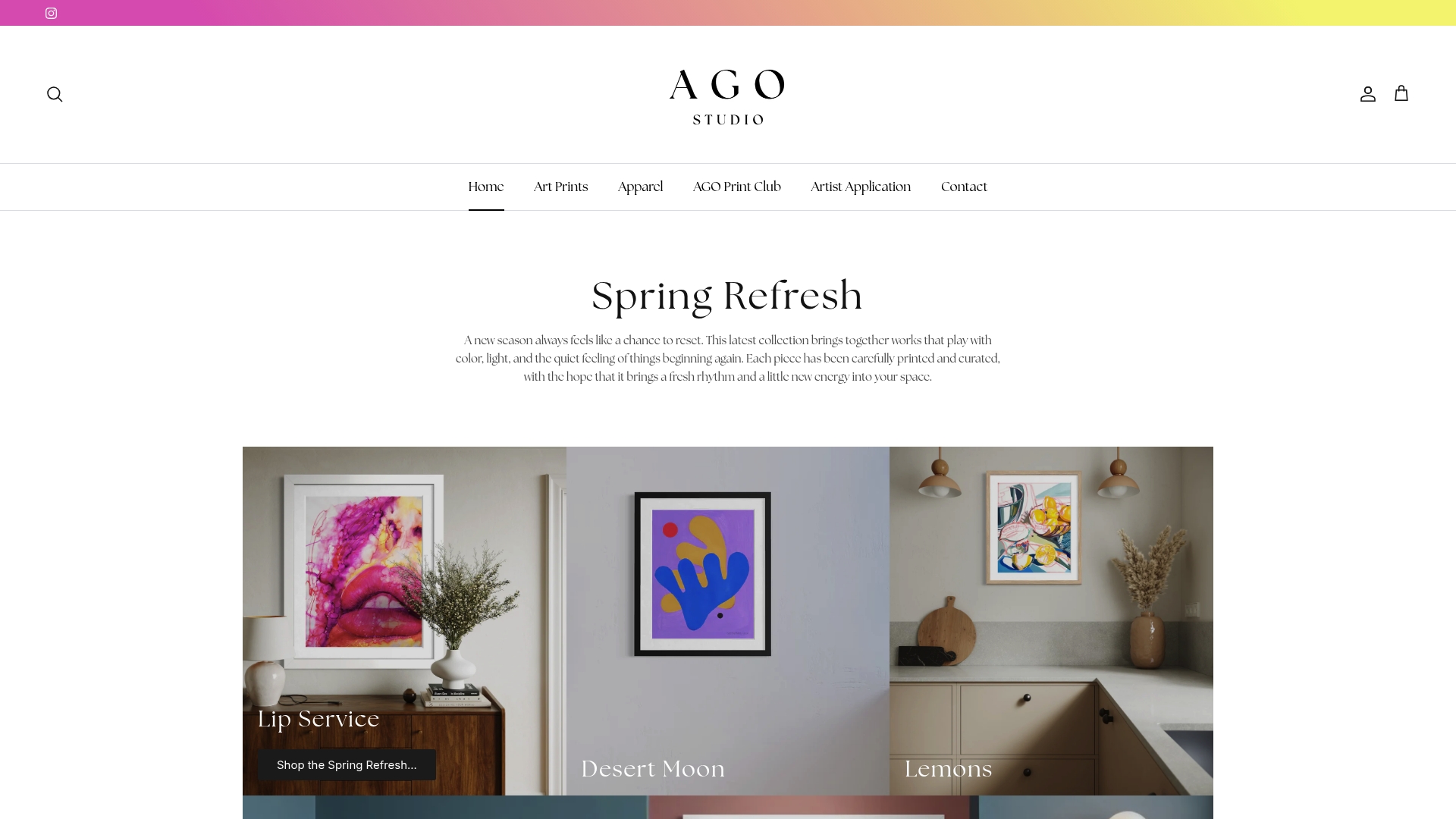
Agostudio curates original art prints from emerging artists across relief, intaglio, and screenprint techniques, with transparent pricing and full edition details on every listing. Each work is selected for the emotional resonance it brings to a living space, not just its visual appeal on a screen. If you want to go deeper, the Agostudio Artist Print Club offers curated access to exclusive editions at a price point built for first-time collectors. Every piece comes with the documentation you need to buy with confidence.
FAQ
What qualifies as an original print?
An original print is a hand-pulled work created by the artist using a matrix such as a wood block, metal plate, or screen. It must be signed and numbered by the artist to confirm its original status.
What is the most affordable type of printmaking for first-time buyers?
Linocut and woodcut relief prints are typically the most affordable entry point. Lower material costs and faster production allow artists to price these works accessibly without reducing their original status.
How do I tell an original screenprint from a reproduction poster?
Check for a hand-written edition number and pencil signature below the image. Original screenprints also show slight ink texture and color registration variations that flat digital reproductions do not have.
Should I buy prints as an investment?
Experts advise buying art you want to live with rather than chasing market returns. Personal connection with a work delivers lasting satisfaction, while investment value depends on factors that are difficult to predict for emerging artists.
Where can I find affordable original prints under $1,000?
Emerging artist fairs, local galleries, and direct online sales all offer original prints within this range. Buying directly from artists or curated platforms like Agostudio removes gallery commissions and keeps prices lower.