

Artist collectives and curated studios are defined as organized groups or spaces where artists share resources, ideas, and creative direction to produce and exhibit work together. Understanding the types of artist collectives curated studios offer helps collectors and enthusiasts move beyond gallery walls to find art with real context and human depth. From informal project groups to formal non-profit centers, each model shapes how art gets made, shown, and sold. Knowing the difference between a self-funded collective like GubGub Studios and an application-based studio like Eat Work Art changes how you discover and connect with meaningful work.
1. informal, self-funded artist collectives
Informal collectives are project-based groups with no fixed hierarchy and fluid membership. Artists come together around a shared theme, exhibition goal, or social cause, then reorganize or dissolve once the project ends. Funding comes directly from members, not grants or institutions.
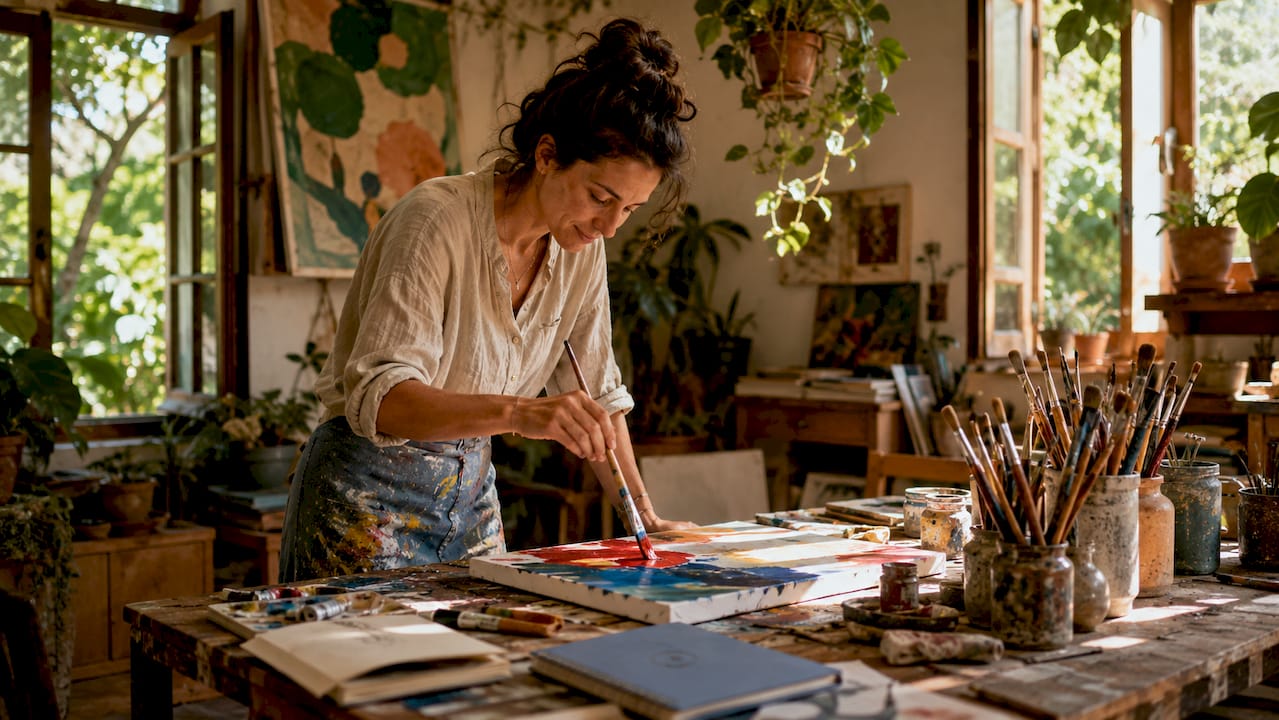
This structure gives artists maximum creative freedom. There are no boards to answer to and no formal reporting requirements. The tradeoff is instability. Without sustained funding, these groups often struggle to maintain momentum between projects.
For collectors, informal collectives are exciting precisely because of their raw energy. The work tends to be experimental, personal, and unfiltered by institutional taste.
2. permanent artist-led spaces with formal committees
Permanent artist-led spaces operate with structured governance, including task-based committees that manage programming, finances, and membership. These spaces maintain a consistent physical presence and a defined mission that outlasts any single project or member.
GubGub Studios in Doha’s Industrial Area is a strong example. It operates as a cooperative with horizontal peer exchange, meaning no single artist holds authority over others. Decisions are shared, and the space actively encourages cross-pollination between disciplines.
This model suits collectors who want ongoing relationships with a space. You can return repeatedly, track artists over time, and watch creative development unfold.
Pro Tip: When visiting a permanent artist-led space, ask about their committee structure. Spaces with active programming committees tend to host more events, which gives you more access to artists directly.
3. application-based curated studios
Curated studios, also called application-based studios, select members based on cultural fit and community contribution rather than portfolio size alone. Eat Work Art prioritizes applicants’ willingness to engage with the community over formal business plans. The application process is a conversation, not a credential check.
This model creates a curated ecosystem rather than just a shared workspace. Resident artists benefit from integrated hospitality, retail, and wellness amenities that support their daily creative rhythms. The result is a space that feels alive, not just occupied.
For collectors, curated studios offer a rare advantage. Every artist in the space has been selected for their collaborative mindset. That means the work you find there carries a community context that isolated studio visits rarely provide.
Pro Tip: Follow curated studios on social media before visiting. Many announce open studio days or community events that give you direct access to artists and their process.
4. professional curatorial residencies
Curatorial residencies are fixed-duration programs that blend research, programming, and community engagement. Residencies often require artists or curators to commit a minimum of 3 days per week for 3 to 4 months. That time commitment separates residencies from casual studio memberships.
The structured timeline creates focused output. Residents typically produce a body of work, a research project, or a public program by the end of their term. This makes residency work especially compelling for collectors because it represents a defined creative period with clear intention.
Residencies also facilitate direct curator-to-artist engagement. Collectors who attend residency open calls or final presentations get early access to work before it enters the broader market.
- Research the residency’s thematic focus before attending any open event.
- Ask curators which residents are in their final weeks, as that work is often the most resolved.
- Request studio visits during the residency period, not just at the final showcase.
- Follow up with artists after the residency ends. Many continue developing the same body of work independently.
5. artist-run centers (arcs)
Artist-Run Centers, commonly called ARCs, are formal non-profit organizations with boards, paid staff, and structured accountability to funders. ARCs rely on public grants, donor contributions, and membership fees rather than self-funding. This financial model requires formal reporting and transparency that informal collectives do not face.
The governance structure gives ARCs stability and longevity. They can maintain exhibition spaces, run workshops, and build archives over decades. Many ARCs serve as community hubs where artists, educators, and the public intersect regularly.
For collectors, ARCs offer a different kind of access. Their programming is often free or low-cost, making art discovery more accessible. Their archives also provide historical context for artists whose work you might be considering.
- ARCs maintain boards of directors with defined terms and responsibilities
- Funding comes from government arts councils, private donors, and membership programs
- Programming includes exhibitions, workshops, artist talks, and educational events
- Accountability to funders requires annual reports and impact documentation
- Many ARCs prioritize underrepresented artists and communities in their programming
6. community studios with embedded programming
Community studios go beyond hosting events. They maintain ongoing programming, archives, membership engagement, and shared tools that create durable creative ecosystems. The difference between a community studio and a simple shared workspace is depth of participation.
Embedded programming means artists return regularly, not just when they need a desk. Peer critiques, mentorship pairings, and recurring social events build relationships that shape the work itself. Community studios create durable ecosystems through routines, archives, and layered engagement opportunities.
This model is particularly valuable for collectors interested in supporting independent artists over the long term. When you understand the community a work came from, you understand the work itself more completely.
Pro Tip: Ask community studios if they maintain an archive of past members’ work or events. Archives reveal the studio’s creative lineage and help you identify artists who have grown within that community.
7. large-scale curated gallery spaces
Some curated spaces operate at a scale closer to private galleries than shared studios. Leading private galleries can span up to 7,500 sq ft, with dedicated areas for private viewing and full provenance walkthroughs. That scale creates an unhurried collector experience with curatorial guidance built in.
These spaces prioritize the viewing experience as much as the art itself. Lighting, spacing, and curatorial sequencing are all deliberate. Collectors who visit large curated spaces often report that the environment changes how they perceive individual works.
The tradeoff is that large-scale spaces can feel less personal than smaller collectives. The curation is polished, but the raw studio energy is often absent. Both experiences have value depending on what you are looking for.
8. fashion-art and cross-disciplinary collectives
Some collectives deliberately blur the line between art forms. CFGNY, a New York City collective, operates at the intersection of fashion and visual art, producing collaborative work that neither discipline could generate alone. This cross-disciplinary model is increasingly common in urban art scenes where creative fields overlap.
Cross-disciplinary collectives attract collectors who think beyond traditional categories. The work produced often comments on identity, culture, and commerce in ways that single-medium art cannot. Fashion curation principles, as explored in curated retail environments, share significant overlap with how these collectives select and present work.
For collectors, cross-disciplinary collectives offer work that sits at the edge of multiple markets. A piece from CFGNY, for example, holds relevance in both contemporary art and fashion history contexts.
9. urban transformation collectives in industrial areas
Artist-run spaces frequently catalyze urban transformation in undervalued industrial areas by providing affordable, stable creative space. These collectives often form before wider development arrives, which means they secure long-term creative stability before rising rents make it impossible.
GubGub Studios in Doha is a direct example. Located in an industrial zone, it transformed an underused area into a recognized creative hub. The collective’s emphasis on collaboration and cross-pollination attracted artists across disciplines who might never have connected otherwise.
Collectors who engage with these spaces early gain access to emerging artists at a formative stage. The work is often priced accessibly, and the relationships you build carry long-term value as those artists develop their careers.
Key takeaways
The most effective way to discover meaningful art is to match your engagement style to the right type of collective or studio structure.
| Point | Details |
|---|---|
| Two core collective types | Informal self-funded groups and permanent artist-led spaces with committees serve different creative and collector needs. |
| Curated studios select for fit | Spaces like Eat Work Art choose members based on community mindset, not just portfolio quality. |
| ARCs offer structured access | Non-profit Artist-Run Centers provide stable programming, archives, and accessible entry points for collectors. |
| Residencies signal focused work | Fixed-duration programs produce intentional bodies of work that collectors can access early and in context. |
| Industrial hubs drive discovery | Collectives in emerging urban areas like GubGub Studios offer affordable access to artists at career-defining moments. |
What i’ve learned from engaging with these spaces
I have spent years visiting artist collectives and curated studios across different cities, and the single biggest mistake I see collectors make is treating every space the same way. Walking into an informal collective with the mindset you bring to a polished gallery will leave you frustrated. These are different environments built for different kinds of discovery.
The spaces that have consistently surprised me are the ones with embedded community structures. When a studio runs regular peer critiques or maintains an archive of past members, the work on the walls carries a history you can actually trace. That context changes what you are willing to pay and why.
My honest advice is to attend studio events before you buy anything. Sit in on a critique. Talk to artists about their process, not just their prices. The collectors I know who have built the most meaningful collections did not find great work by browsing. They found it by becoming part of the community that produced it.
One more thing worth saying directly: the handcrafted, original nature of work coming from these spaces is irreplaceable. The difference between a print from a curated collective and a mass-produced piece is not just aesthetic. It is a difference in human intention, and that shows up in the work every time.
— DAVID
Discover curated art from real artist communities
Agostudio was built on the same principle that makes artist collectives worth visiting: art should carry the human experience of the person who made it.
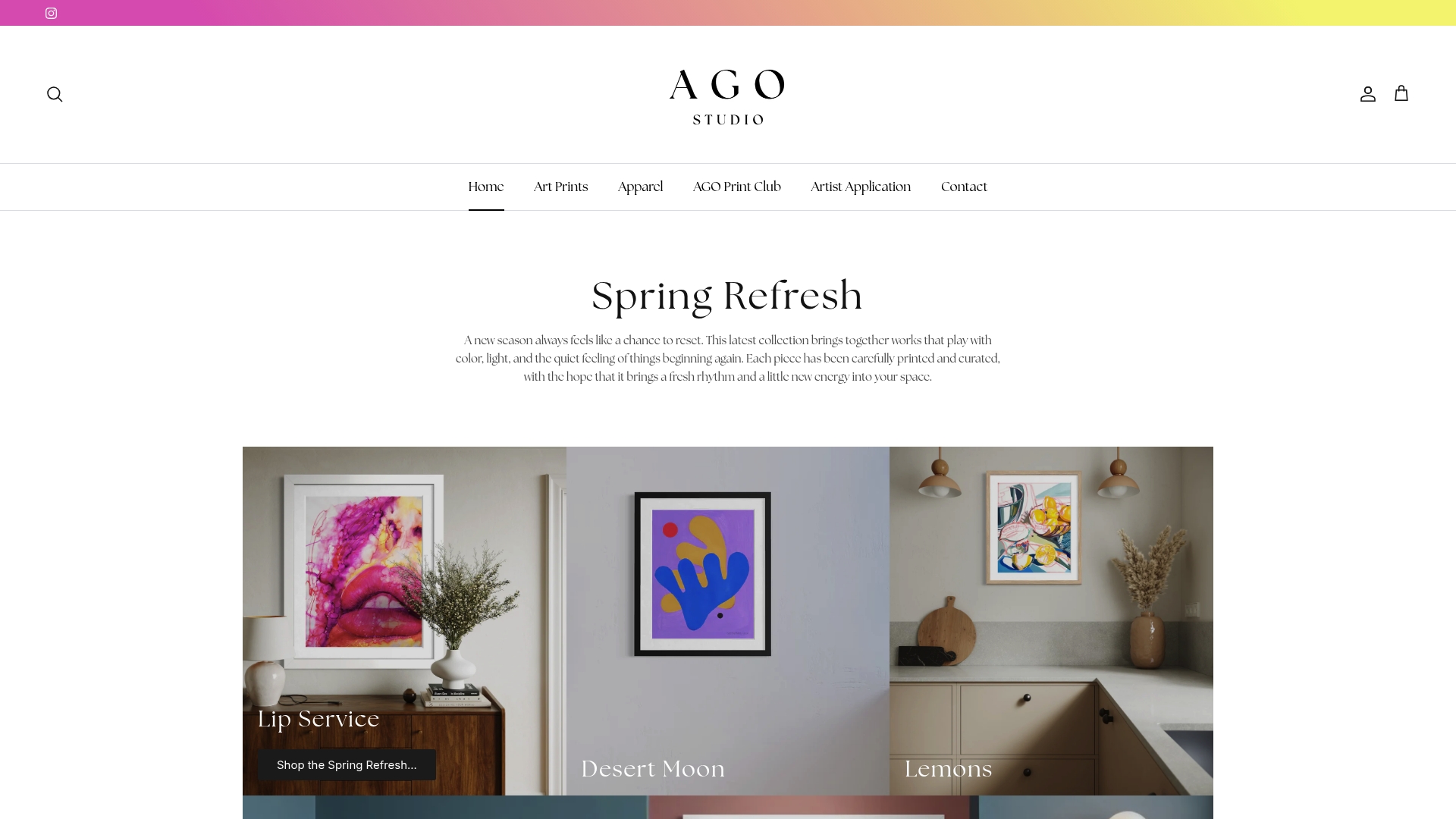
Agostudio curates original art prints from real artists whose work evokes connection, nostalgia, and warmth. Every piece is selected because it transforms a space, not just fills it. For collectors who want ongoing access to curated work, the Agostudio Artist Print Club delivers new prints from emerging and established artists directly to your door. It is the closest thing to having a curatorial relationship with a studio without needing to live near one.
FAQ
What is an artist collective?
An artist collective is a group of artists who share resources, creative direction, and exhibition opportunities, either informally around a project or permanently through a governed space. The two main structural types are self-funded informal groups and permanent artist-led spaces with formal committees.
How do curated studios differ from regular shared workspaces?
Curated studios select members based on community fit and collaborative mindset rather than just available desk space. Spaces like Eat Work Art use a conversation-based application process to build a creative ecosystem, not just fill a building.
How do i join an artist collective or curated studio?
Most curated studios require an application that focuses on your willingness to engage with the community. Artist-Run Centers often offer open memberships or volunteer opportunities. Attending public events first is the most effective way to build relationships before applying.
What are artist-run centers and how do they benefit collectors?
Artist-Run Centers are formal non-profit organizations with boards, staff, and grant-based funding. They offer collectors free or low-cost access to exhibitions, artist talks, and archives that provide context for understanding and evaluating artwork.
Why do artist collectives form in industrial areas?
Artist collectives form in industrial areas because rents are lower and space is larger, allowing for affordable shared studios and experimental programming. These hubs often catalyze broader cultural development in those neighborhoods, as seen with GubGub Studios in Doha’s Industrial Area.