

An artist open studio is a direct-access event where working artists invite the public into their actual creative spaces to view art, witness the making process, and engage in real conversation. Unlike a gallery opening, there is no curator standing between you and the work. You see the paint-stained tables, the half-finished canvases, the tools that made the piece you are considering buying. For first-time visitors and seasoned art enthusiasts alike, understanding the artist open studio experience before you arrive transforms a pleasant afternoon into something genuinely memorable.
What does an artist open studio event look like?
Open studio events follow a format that is more relaxed and exploratory than a formal exhibition. Most are self-guided visits with printed or digital maps showing participating studios, and visitors move at their own pace between locations. The London Artists’ Studio Tour, for example, runs across a full weekend with nearly 30 artists and online maps marking every stop. That structure is typical of events worldwide.
The schedule usually spans multi-hour blocks across one or two weekends. Marin Open Studios operates from 11 a.m. to 6 p.m. on two separate weekends, which gives visitors a clear window to plan around. Seven hours per day is generous, but it goes faster than you expect once you start talking to artists.
Not every studio operates as a walk-in. Some studios schedule reserved sessions alongside public visiting hours, so confirming access details before you arrive prevents wasted trips. Always check the event’s official website for studio-specific rules, registration requirements, and any last-minute changes.
| Format type | What to expect |
|---|---|
| Self-guided tour | Use a map or app to visit studios in any order across set hours |
| Multi-day weekend event | Studios open Friday through Sunday; plan which days suit your schedule |
| Appointment-only access | Some studios require booking in advance; check event details |
| Group or curated tour | Organized routes with a guide; less flexible but more context provided |
| Single-venue open night | Multiple artists in one building; roaming experience with shorter conversations |
What will you see inside an artist’s studio?
The honest answer is: more than you expect. North Coast Open Studios brings together over 150 artists offering visitors the chance to see art being created firsthand, not just displayed. That distinction matters. A finished painting on a white wall tells you what an artist made. A studio visit tells you how and why.
Inside, you will typically find a mixture of completed pieces ready for sale, works-in-progress pinned or propped around the room, and reference materials that reveal the artist’s thinking. The media range is wide: oil and acrylic painting, watercolor, printmaking, ceramics, textile work, sculpture, and mixed media all appear regularly at open studio events. Some artists work across several disciplines, and their studio reflects that layered practice.
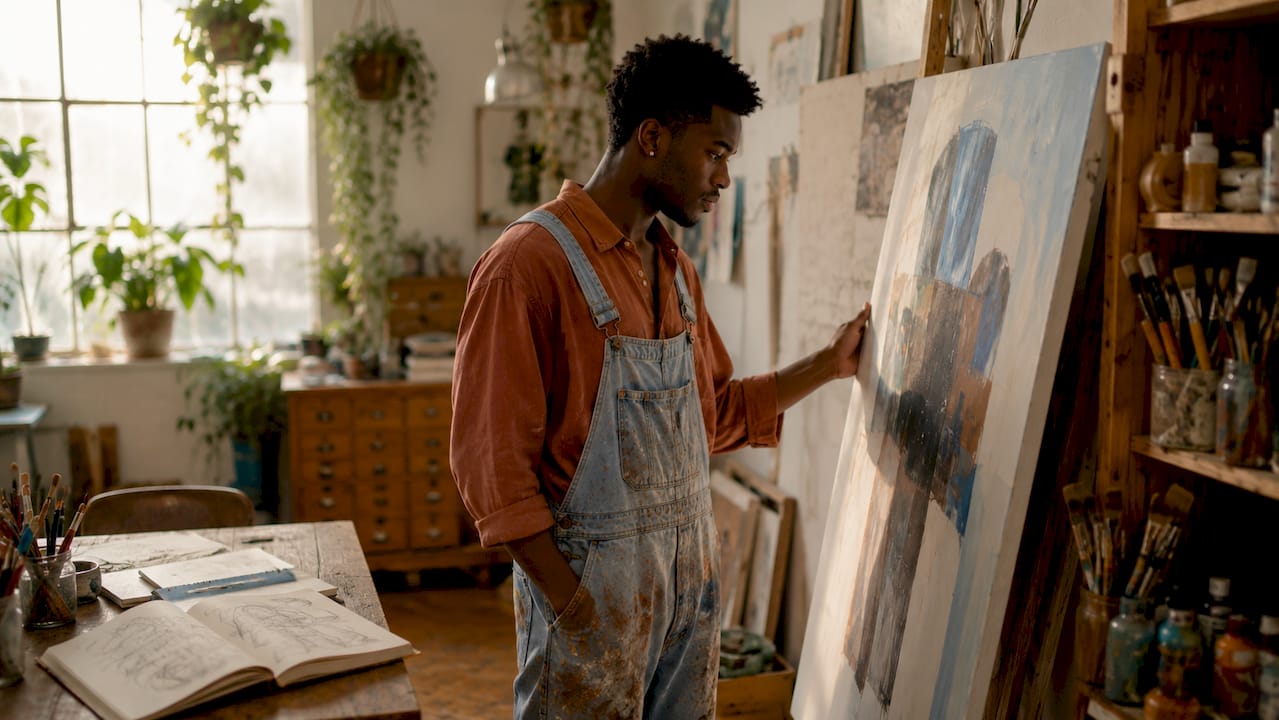
Live demonstrations are common and worth seeking out. Watching a ceramicist center clay or a printmaker pull an edition gives you a physical understanding of the work that no amount of reading can replicate. Susan Aurand of OLY ARTS describes the open studio tour as an invitation to see behind the scenes rather than just encounter finished art. That framing is exactly right.
The workspace itself is part of the experience. Shelves of pigment jars, reference books, collected objects, and works abandoned mid-process all communicate something about how an artist thinks. Pay attention to what surrounds the art, not just the art itself.
- Finished pieces available for purchase, often labeled with price and title
- Works-in-progress showing technique, layering, and revision
- Live demonstrations of painting, printmaking, ceramics, or textile work
- Artist’s tools, reference materials, and workspace environment
- Sketchbooks, studies, and preparatory drawings (sometimes available separately)
- Artist statements or process notes explaining the body of work
Pro Tip: Ask to see a sketchbook or study if the artist has one nearby. These preparatory works often reveal the most about an artist’s thinking and are frequently more affordable than finished pieces.
How to engage with artists during your visit
Conversation is the core of the open studio experience. The Long Beach Open Studio Tour frames meeting the artist as the real impact of the event, beyond simply viewing finished work. That is not marketing language. Artists who open their studios are choosing transparency, and most genuinely want to talk about their practice.
The most productive conversations start with process questions rather than price questions. Ask how long a piece took, where the idea originated, or what material challenge the artist solved to make it. These questions signal genuine interest and almost always unlock a richer story than you would get from a label. Artists share processes and influences during studio visits in ways that transform a viewer into an engaged supporter, which changes the entire dynamic of the interaction.
Respect the artist’s time, especially at busy events. If the studio is crowded, make brief contact, pick up a card, and return later. Large multi-artist venues often involve partial conversations by design. Plan to revisit artists you connect with if you want a deeper discussion. That second visit, even 30 minutes later, is usually quieter and more rewarding.
- “What drew you to this particular subject or material?”
- “How long did this piece take from start to finish?”
- “Is this part of a larger series, or does it stand alone?”
- “What was the hardest technical problem you solved here?”
- “Where do you source your materials?”
Pro Tip: Bring a small notebook. Jotting down an artist’s name, a piece title, or a detail from your conversation helps you remember specifics when you are deciding what to buy or follow up on later.
Knowing how to engage with artists through questions about inspiration, creation time, and material sourcing deepens your appreciation of the work and builds the kind of trust that turns a single visit into a long-term connection with an artist’s practice.
What you need to know about buying art at open studios
Purchasing art directly from an artist at an open studio is one of the most straightforward and rewarding transactions in the art world. There is no gallery commission, no intermediary, and no markup beyond what the artist sets. The Long Beach Open Studio Tour actively encourages direct sales and recommends accessible price points between $20 and $40 for smaller works, making entry-level collecting genuinely achievable.
Payment methods vary by artist. Many accept credit and debit cards through Square or Stripe readers. Some prefer cash for smaller pieces. A few artists will arrange installment payments for higher-priced works if you ask. Checking the event’s FAQ page usually clarifies what to expect, but bringing a mix of payment options is always smart.
| Purchase type | Typical price range | What to know |
|---|---|---|
| Small prints or studies | $20 to $100 | Most accessible entry point; often unframed |
| Original works on paper | $100 to $500 | Unique pieces; ask about framing and transport |
| Original paintings or sculpture | $500 and above | Negotiate directly; ask about provenance documentation |
| Artist editions or multiples | $50 to $300 | Limited runs; signed and numbered by the artist |
For first-time buyers, the supporting independent artists principle is worth understanding before you arrive. When you buy at an open studio, the full sale price goes to the artist. That financial directness matters for sustaining creative careers, and it gives your purchase a meaning that a retail transaction rarely carries.
Open studio tour tips for a smooth visit
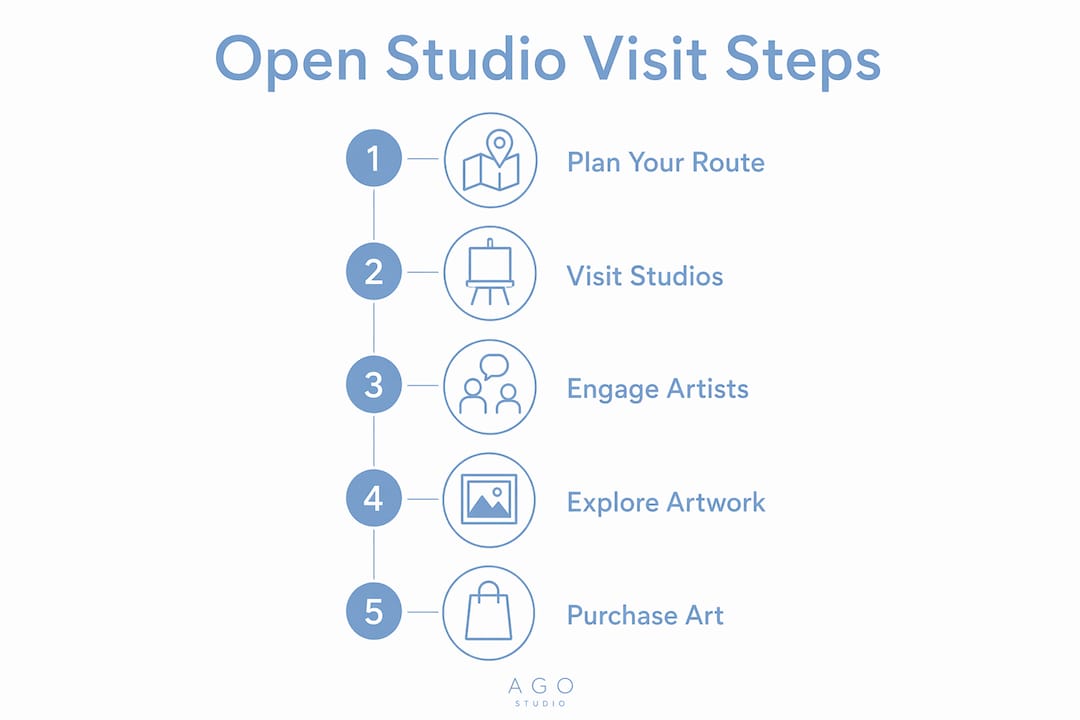
Preparation separates a rushed, incomplete visit from one you will talk about for weeks. The single most effective step is planning your route using the official event map before you leave home. Most events publish detailed studio hours and artist profiles online. Spend 20 minutes the night before identifying three to five artists whose work genuinely interests you, then build your route around them.
- Download or print the official event map and mark your priority studios before arriving.
- Check each studio’s specific hours. Some open later or close earlier than the main event window.
- Confirm whether any studios require advance registration or have appointment-only access.
- Allocate at least 30 to 45 minutes per studio if you want a real conversation, not just a quick look.
- Visit your highest-priority studios early in the day when artists are freshest and crowds are smaller.
- Carry cash alongside a card. Some artists prefer cash for small purchases and it speeds up transactions.
- Stay flexible. Attendance and sales vary based on weather, timing, and crowd patterns, so build buffer time into your schedule.
- Follow artists on social media before or after your visit. Most open studio participants are active online and post new work regularly.
The art studio visitor guide from Agostudio covers the practical side of attending studio events in detail, including what to bring and how to handle purchases on the day.
Key takeaways
An artist open studio delivers its full value only when visitors arrive prepared to engage with both the art and the artist directly.
| Point | Details |
|---|---|
| Know the format before you go | Most open studios are self-guided with set hours; confirm access requirements in advance. |
| Expect process, not just product | Studios show works-in-progress, tools, and live demonstrations alongside finished pieces. |
| Ask process-focused questions | Questions about materials, time, and inspiration unlock richer stories than price inquiries. |
| Buy directly and confidently | No gallery markup applies; prices range from $20 prints to original works above $500. |
| Plan your route strategically | Use official maps to prioritize studios and allocate 30 to 45 minutes per visit. |
Why open studios changed how I think about collecting art
I have walked through a lot of galleries over the years, and I respect what a well-curated show does. But the first time I stood in a painter’s actual studio and watched her explain why she had scraped back an entire layer of a canvas three times before the color worked, something shifted. The painting I eventually bought from her is not the most expensive thing on my wall. It is the one I can explain in full to anyone who asks.
That is what open studios do that galleries cannot. They give you the story before you own the object. Most collectors I know who started buying at open studio events describe the same turning point: the moment a conversation with an artist made them realize they were not just acquiring decoration. They were participating in someone’s creative life.
My honest advice is to resist the urge to rush through as many studios as possible. Two or three deep visits beat ten superficial ones every time. Go in with questions. Stay longer than feels comfortable. The artists who open their spaces to strangers are making a specific kind of offer, and the visitors who accept it fully are the ones who leave with something that genuinely matters to them.
The connection between artists and their audiences is not incidental to the work. It is part of what gives the work its meaning. Open studios make that visible in a way nothing else does.
— DAVID
Discover original art from real artists with Agostudio
If an open studio visit has sparked your interest in collecting original work, Agostudio curates exactly what you are looking for. Every piece in the collection comes from a real artist with a real story, selected because it carries the same warmth and authenticity you find in a working studio.
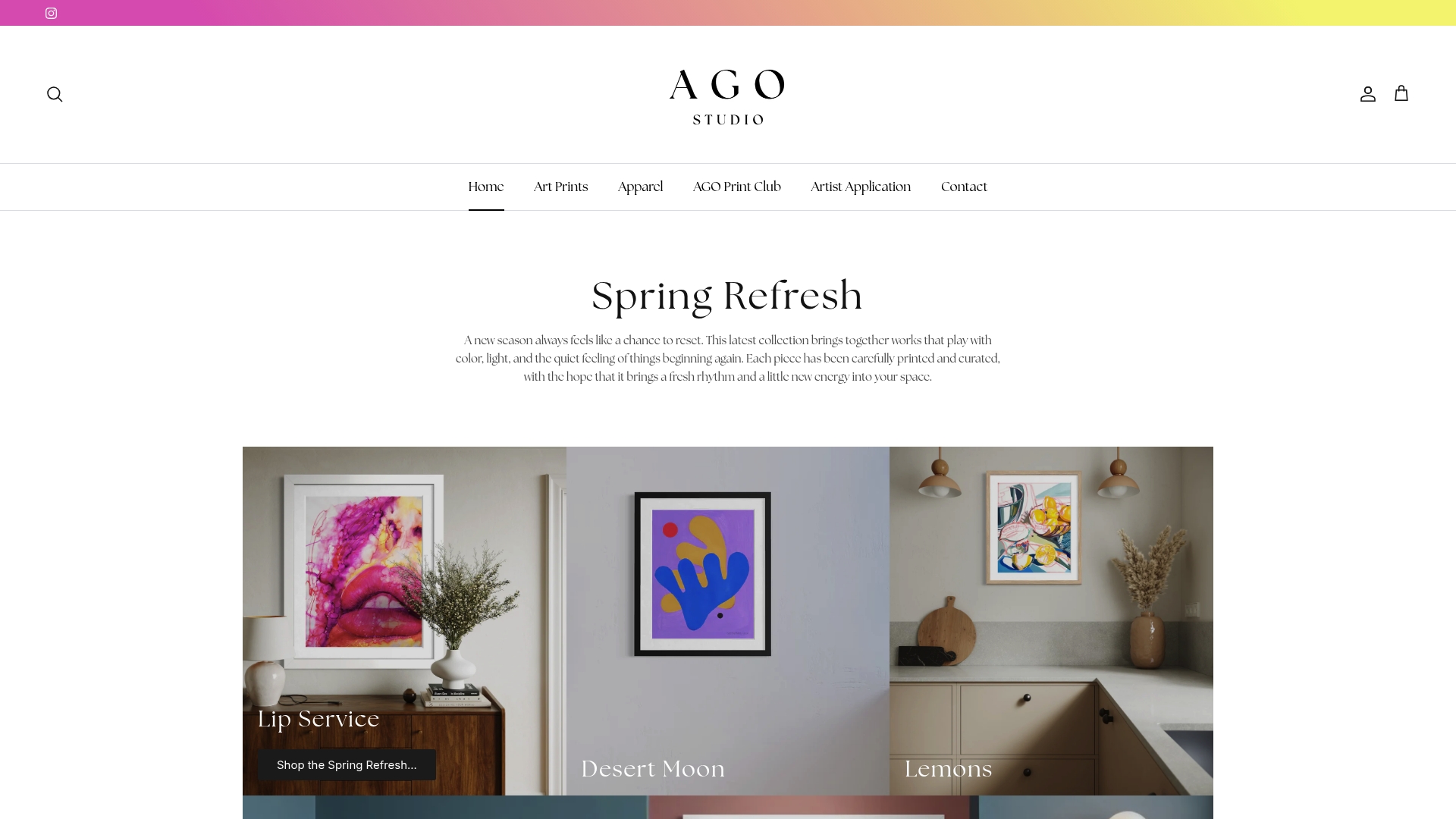
Agostudio’s art prints collection brings that direct-from-artist quality to your home without requiring you to travel to an event. For collectors who want a regular connection to new artists, the Artist Print Club delivers exclusive prints on a subscription basis, supporting independent artists continuously. Browse the full collection and find a piece that tells a story worth keeping.
FAQ
What is an artist open studio event?
An artist open studio is a public event where artists invite visitors into their working spaces to view art, see the creative process, and engage in direct conversation. Unlike gallery shows, these events take place in actual studios with works-in-progress and tools visible.
Do I need to register before visiting an open studio?
Most open studio events are free and require no registration, but some studios schedule reserved sessions or have appointment-only hours. Always check the specific event’s website before visiting to confirm access requirements.
Can I buy art directly from artists at open studios?
Yes. Purchasing directly from artists at open studios means no gallery commission applies, and prices range from affordable small prints starting around $20 to original works priced in the hundreds or thousands. Payment methods vary by artist, so bring both cash and a card.
How long should I spend at each studio?
Allocate at least 30 to 45 minutes per studio if you want a meaningful conversation with the artist. Rushing through multiple studios in quick succession limits the depth of experience that makes open studio visits worthwhile.
What questions should I ask an artist during a studio visit?
Ask about the artist’s process, material choices, how long a piece took, and what inspired the work. These questions reveal the story behind the art and build a genuine connection that turns a casual visit into lasting appreciation.