

Art is defined as one of the most direct paths to the true self, offering access to inner experiences that words alone cannot reach. The role of art in self-expression goes far beyond decoration or skill. It functions as a private language, one that lets you externalize emotions, stabilize internal tensions, and build a clearer sense of who you are. Research from Cornell University and Psychology Today confirms that artistic engagement shapes personal identity at a fundamental level. This guide draws on recent psychological and interdisciplinary findings to show exactly how that process works and why it matters.
How does art facilitate authentic self-expression?
Art gives you access to parts of yourself that moral rules and social expectations tend to suppress. A 2026 Cornell University study found that artistic change defines a person’s true self just as powerfully as moral change. That finding is significant. It means the paintings you make, the music you play, or the photographs you take are not hobbies sitting at the edge of your identity. They are central to it.
The psychological mechanism behind this is called externalization-concretization. Creative activities serve as a mechanism for externalizing complex emotions that verbal language simply cannot capture. When you paint grief or sculpt anxiety, you give those feelings a physical form outside your mind. That process makes them easier to examine, regulate, and ultimately integrate.
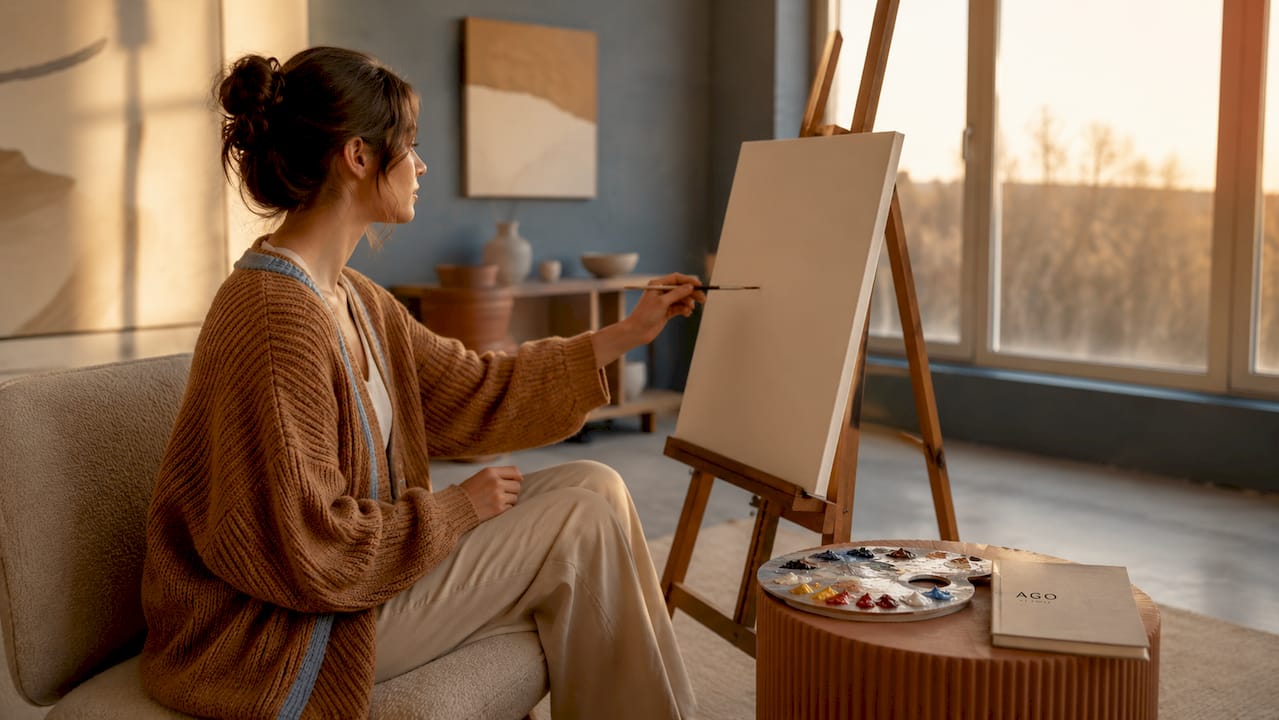
Art also works as a private language before it becomes a public one. You do not need an audience to benefit. The act of making something, whether a sketch in a notebook or an abstract canvas, begins as inward archaeology. You are sorting through what you feel before deciding what to share.
Several art forms serve this function especially well:
- Visual art (painting, drawing, collage): externalizes emotion through color, form, and composition
- Photography: trains attention on what you find meaningful in the world around you
- Writing and journaling: converts fragmented thoughts into structured narrative
- Music and sound: accesses emotional states that resist verbal description
- Sculpture and ceramics: uses physical sensation and material resistance as part of the process
Pro Tip: Focus on the process, not the finished product. The therapeutic and expressive value of art comes from making, not from producing something gallery-worthy.
What are the dynamics of self-expression and self-suppression in art?
Authentic artistic expression is not about saying everything. It is about choosing what to say and what to leave out. According to photographer and writer Guy Tal, self-suppression in art is deliberate and essential. Artists consciously decide which inner experiences to reveal and which to omit. That act of omission requires deep reflection and turns silence into a form of visual grammar.
This dynamic has real therapeutic value. When you decide what not to show, you are practicing self-awareness. You are asking: what is mine to keep, and what is mine to share? That question alone is a form of creative self-discovery through art.
Here is how this selective process unfolds in practice:
- Identify the feeling. Before you create, sit with the emotion or experience you want to process. Name it as specifically as you can.
- Choose your medium. Different materials carry different emotional weights. Charcoal feels raw. Watercolor feels fluid. The medium shapes what gets expressed.
- Decide what to emphasize. Composition, color, and contrast are all choices about what deserves attention.
- Decide what to omit. Leaving space, cropping a subject, or using abstraction are all forms of deliberate suppression that strengthen the work.
- Reflect after making. Ask what surprised you. The gap between what you intended and what appeared is often where the real self-knowledge lives.
The difference between performative art and sovereign art comes down to motivation. Art created for external approval loses the internal necessity that gives it durability. Performative art loses sovereignty compared to self-directed work. That does not mean you should never share your art. It means the work should begin from an internal need, not an external audience.
How does engaging with art affect mental health and personal identity?
Art engagement activates brain circuits that regulate emotion, reduces stress hormones, and produces immune benefits comparable to exercise or a healthy diet. Psychology Today reports that both active and receptive arts engagement promote mental health. Active means making art. Receptive means experiencing it, visiting a gallery, listening to music, or reading poetry.
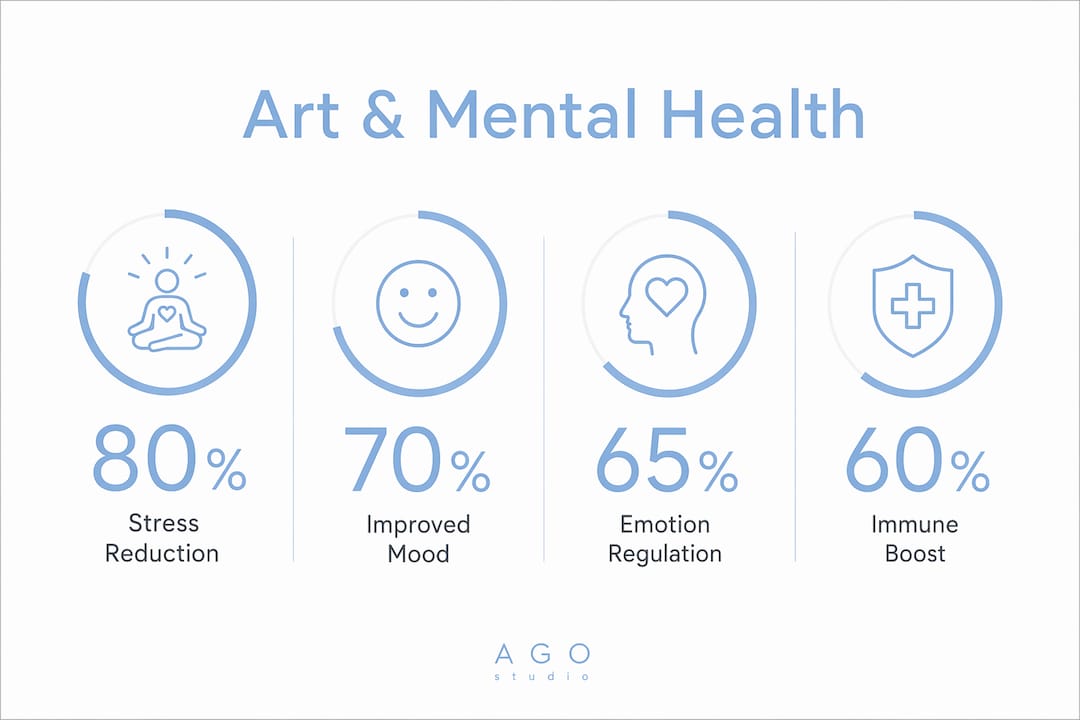
Health experts now recommend 15 to 20 minutes of daily creative activity to support mental health and build a positive self-concept. That threshold is low enough to be realistic for most people. Fifteen minutes of sketching before work or spending time with a piece of art you love at home both count.
The impact of art on mental health also connects directly to identity formation. When you engage with art regularly, you build a record of your inner life over time. A sketchbook from three years ago tells you who you were then. That continuity strengthens your sense of self.
Practical ways to build a daily creative routine:
- Keep a sketchbook or visual journal on your desk, not in a drawer
- Spend five minutes looking closely at one piece of art you own before starting your day
- Listen to music intentionally, not as background noise, for one session per day
- Try one new art form per month to discover which medium resonates most
Pro Tip: Combine participatory and receptive arts in your routine. Making and experiencing art together produce stronger mental health benefits than either one alone.
For a deeper look at the science behind these benefits, the art and mental health guide at Agostudio covers the research in practical detail.
How does art connect individuals while preserving personal expression?
Art functions as a shared sensory platform that enables connection without erasing individual complexity. Research published in PMC shows that 54% of people previously struggled to understand complex scientific topics before art-based communication made those ideas accessible. That number shows how powerfully art translates what language alone cannot.
The Nonsuch Foundation describes art as a framework that embraces complexity and difference rather than resolving it. Art does not ask two people to agree. It asks them to share a sensory experience and find their own meaning within it. That is what makes it so effective for empathy and dialogue.
This dual function, personal and social, is what separates art from most other forms of communication. A conversation requires shared vocabulary. A piece of art requires only shared attention.
| Function | Internal self-expression | Social communication |
|---|---|---|
| Primary purpose | Process and externalize personal emotion | Create shared sensory experience |
| Audience | Self | Others |
| Language required | None | None |
| Outcome | Emotional regulation, self-knowledge | Empathy, dialogue, community |
| Risk of suppression | Low | Higher, due to social expectations |
The importance of art in communication becomes clearest when words fail. Grief, joy, cultural memory, and political tension all find form in visual and performing arts in ways that speeches and articles rarely match. For more on how art builds community, the Agostudio piece on art and conversation explores this dynamic in depth.
Key Takeaways
Art functions as a private language that externalizes emotion, shapes personal identity, and builds connection without requiring shared vocabulary or external approval.
| Point | Details |
|---|---|
| Art accesses the true self | Cornell research shows artistic change defines personal identity as powerfully as moral change. |
| Process beats product | The therapeutic value of art comes from making, not from producing a finished, shareable result. |
| Suppression is part of expression | Deliberate omission in art requires self-awareness and turns silence into a form of communication. |
| Daily creative practice supports mental health | Health experts recommend 15 to 20 minutes of creative activity per day for emotional regulation. |
| Art connects without erasing difference | Shared sensory experience enables empathy and dialogue without requiring agreement or consensus. |
Art as private language: why sovereignty matters more than recognition
I have spent years looking at how people relate to their own creative work, and the pattern I keep seeing is this: the people who get the most from art are the ones who stopped making it for other people.
That sounds obvious until you realize how much of what passes for creative expression is actually performance. You post the painting before the paint is dry. You share the sketch before you have figured out what it means to you. The external response arrives before the internal one, and that sequence reverses the whole point.
The research from Karol Kosnik on art as a private language puts it plainly. Art that begins from internal necessity outlasts art made for approval. That is not a romantic idea about suffering artists. It is a practical observation about where meaning comes from.
What I find most useful is the concept of self-archaeology. Before a piece becomes communication, it is excavation. You are digging through your own experience to find what is actually there, not what you think should be there. That process requires you to sit with discomfort, to make something ugly before it becomes honest.
The readers who come to Agostudio looking for art that resonates are often responding to exactly this quality in the work they choose. They recognize something in a piece that was made from necessity rather than strategy. That recognition is not accidental. It is the private language of one person finding the private language of another.
Trust your internal process. The work you make for yourself first is almost always the work that connects most deeply with others later.
— DAVID
Bring personal expression into your space with Agostudio
Art that was made from genuine self-expression carries that quality into the spaces where it lives.
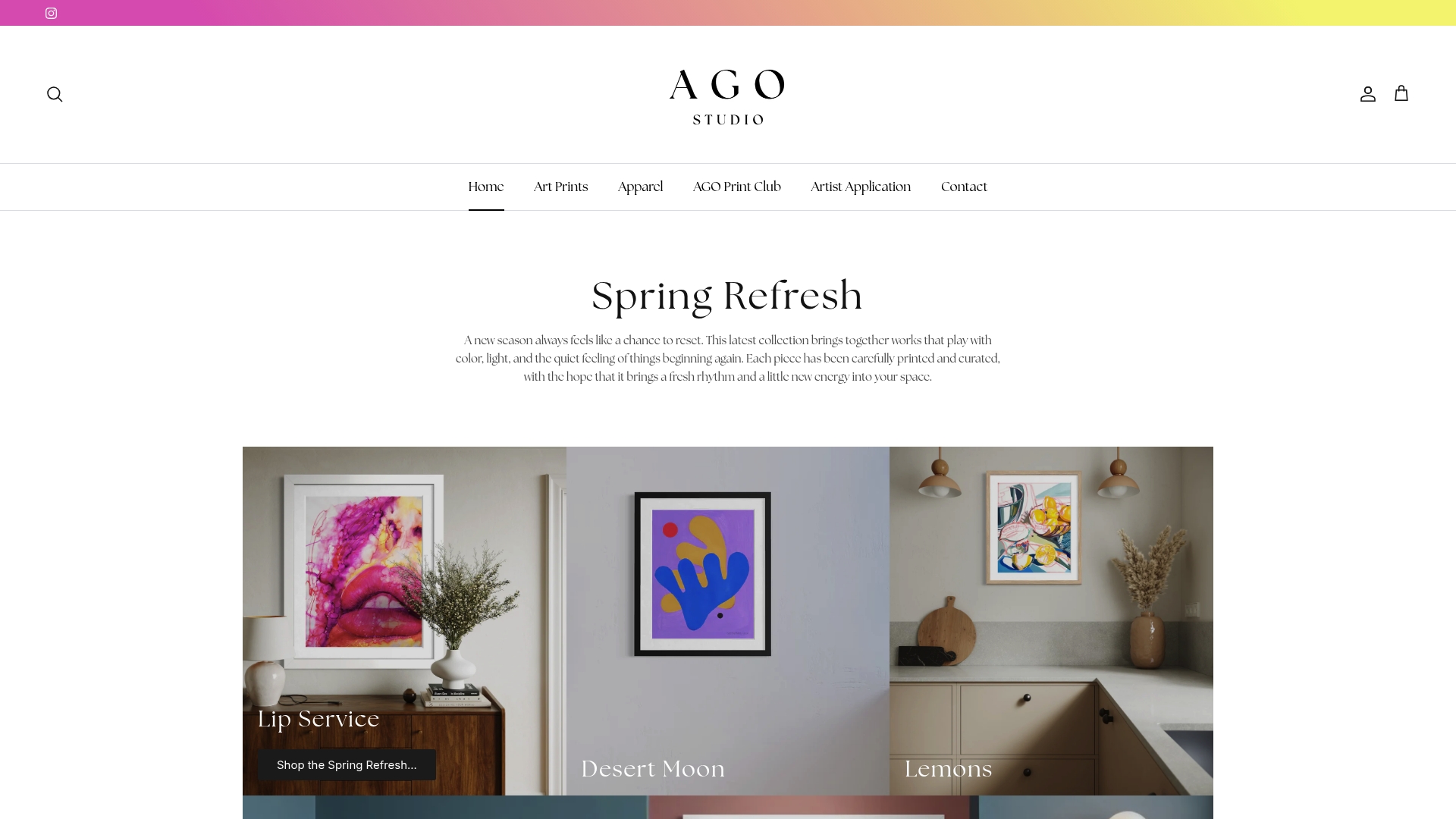
Agostudio curates original works from real artists, selected specifically because they carry emotional weight and authenticity. Each piece is chosen to resonate, not just to fill a wall. If you want to surround yourself with art that reflects genuine creative identity, the art prints collection at Agostudio is a strong starting point. For ongoing creative inspiration delivered to your door, the Artist Print Club brings new original works each month, curated around the same commitment to authentic expression. These are not decorative objects. They are conversation pieces that carry the inner life of the people who made them.
FAQ
What is the role of art in self-expression?
Art functions as a private language that externalizes emotions and inner experiences beyond what words can convey. Cornell University research confirms that artistic engagement provides direct access to a person’s true self.
How does art express emotions?
Creative activities use a process called externalization-concretization, giving abstract feelings a physical, visible form. This process enables emotional regulation and cognitive integration that verbal communication cannot achieve.
What is art therapy and how does it support self-exploration?
Art therapy shifts focus from the finished product to the creative process, using making as a tool for examining and processing difficult emotions. The therapeutic benefit comes from the act of creation itself, not from producing aesthetically successful work.
How much creative activity supports mental health?
Health experts recommend 15 to 20 minutes of daily creative activity, combining both participatory and receptive arts engagement, to support emotional regulation and positive self-identity.
Can art connect people without erasing individual differences?
Art creates shared sensory experiences that enable empathy and dialogue without requiring agreement. Research from the Nonsuch Foundation describes art as a framework that embraces complexity and difference rather than resolving it.