

An artist studio is defined as a dedicated space where an artist creates, practices, and develops their work. Dictionary.com defines a studio as a room or building where an artist works, including space for instruction and experimentation. The term covers far more than four walls and a easel. Understanding what does artist studio mean requires looking at both the physical setup and the psychological environment that makes creative work possible.
What does artist studio mean, and why does it matter?
An artist studio is a workroom or atelier built around the act of making art. HandWiki traces the word back to the Latin studium, meaning zeal or devotion to study. That origin matters. A studio is not just a room. It is a space charged with intention.
Studios serve painters, sculptors, dancers, musicians, and theater makers. Each discipline shapes the space differently, but the core function stays the same: the studio is where practice happens, where ideas get tested, and where finished work begins. Dictionary definitions capture the physical side but miss the mental and emotional roles a studio plays in an artist’s daily life.
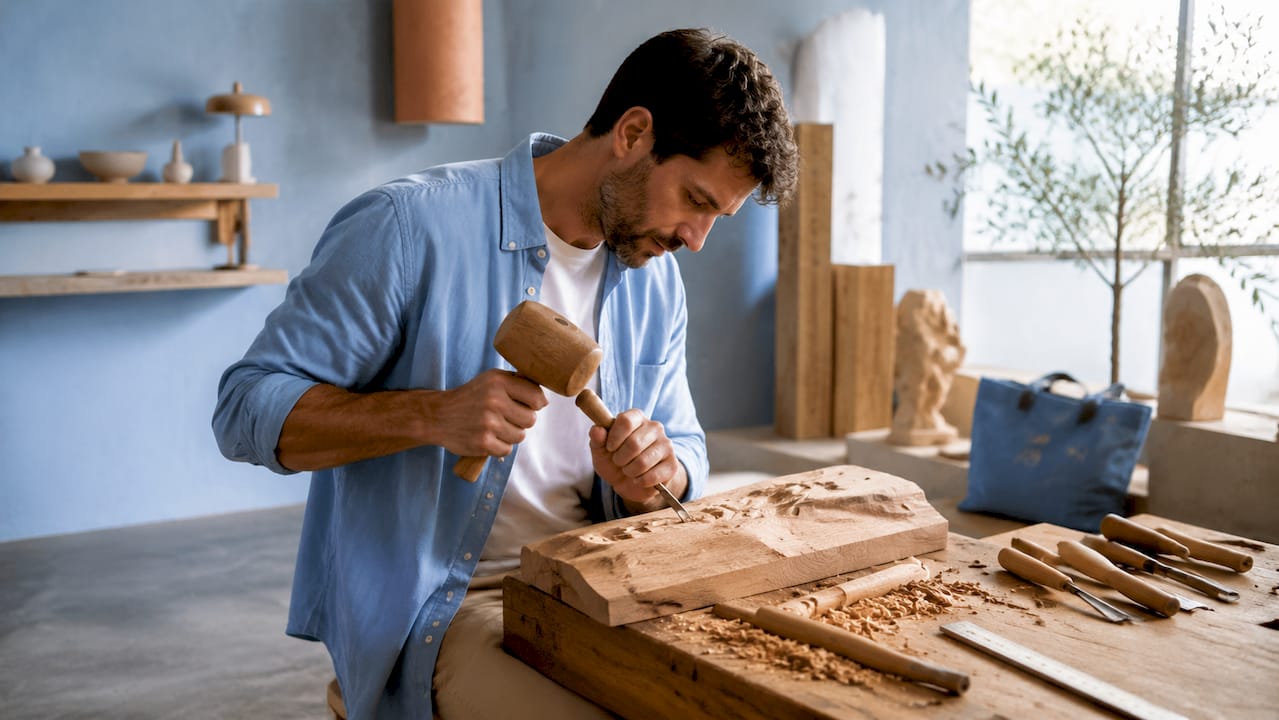
The term “atelier” is the formal industry equivalent, historically used for professional training workshops in France and Europe. Today, “studio” and “atelier” are used interchangeably, though atelier often signals a more structured, teaching-focused environment.
What is the function and purpose of an artist studio?
The primary function of an artist studio is removing friction. Randy Lemmon argues that studio layout and organization are the most critical factors for maintaining momentum and reducing mental load. When tools are within reach and the workspace is ready, an artist can sit down and start without a 20-minute setup ritual eating into creative energy.
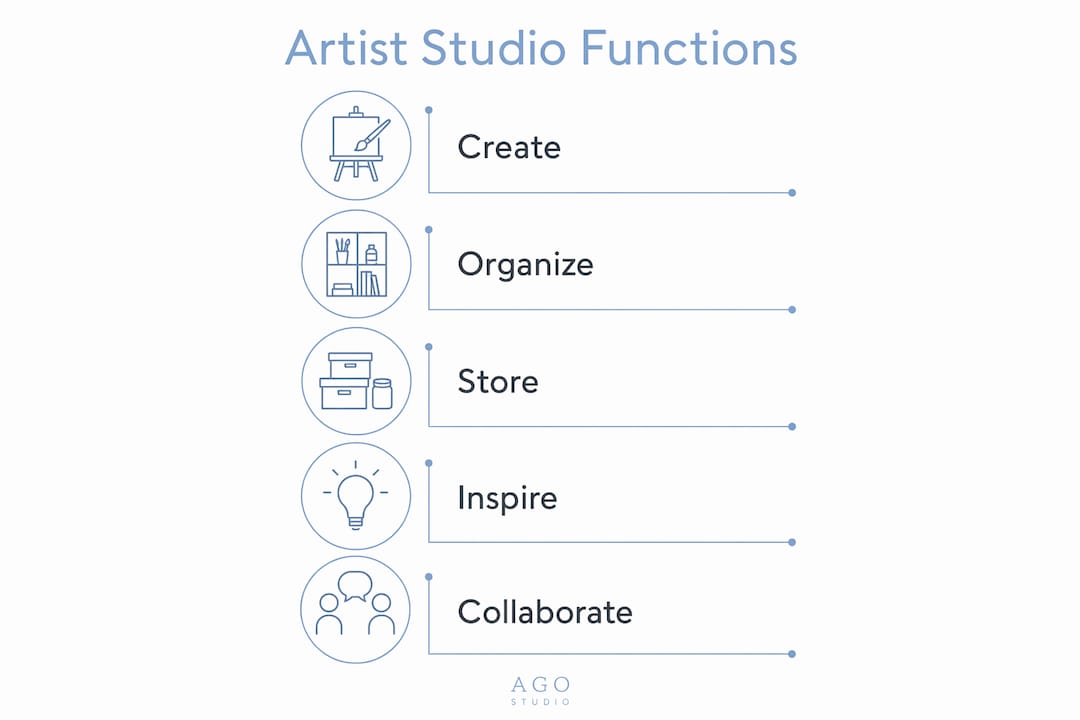
Studios keep work “warm” between sessions. That means leaving a canvas mid-stroke, keeping brushes cleaned and sorted, and positioning the next project where it is immediately visible. The goal is to lower the mental cost of returning after a break. A studio that requires full reassembly every session is a studio that gets avoided.
Organization drives this function more than aesthetics. Form follows function in a well-designed studio. Shelving, lighting, and surface placement all serve the work, not the look of the room.
Key functions a studio serves:
- Focused work environment: Separates creative time from domestic or professional distractions
- Tool accessibility: Keeps materials organized so the artist can start immediately
- Momentum preservation: Allows work-in-progress to stay undisturbed between sessions
- Experimentation space: Provides room to fail, test, and iterate without consequence
- Psychological readiness: Signals to the brain that it is time to create
Pro Tip: Set up your studio so the last thing you do before leaving is prepare for the next session. Leave a brush loaded, a sketch pinned up, or a note about the next step. You will return faster and with less resistance.
How does a studio become a personal and ritual space?
Studios are intensely personal environments. Frontline and The Hindu report that contemporary artists describe their studios as sacred spaces governed by self-imposed rules and routines. These rituals shape how creativity flows.
Common studio rituals include:
- Playing specific music or maintaining silence during certain phases of work
- Lighting incense or candles before beginning a session
- Performing a physical gesture, like stretching or arranging tools, as a start cue
- Keeping the space closed to visitors during active work periods
- Maintaining a fixed entry sequence that signals the shift into creative mode
These rituals function as psychological start cues. A repeated action trains the brain to associate that behavior with creative focus. Over time, the ritual itself becomes the trigger. The studio stops being just a room and starts being a state of mind.
“The studio is not just where I make work. It is where I become the person who makes work.” This sentiment, echoed across artist interviews, captures why studio environments matter beyond square footage or equipment lists.
Artists impose their own rules on who enters, when, and under what conditions. Some studios are open to collaborators and students. Others are strictly private. Both approaches are valid. The studio’s rules reflect the artist’s creative needs, not social conventions.
What are the main types of artist studios?
Studios range from permanent professional ateliers to a corner of a dining table. Studio size and permanence matter less than accessibility and utility. A space qualifies as a studio when it consistently supports the artist’s process.
| Studio type | Setting | Best for |
|---|---|---|
| Dedicated room | Home or rented space | Full-time artists needing daily access |
| Shared atelier | Collective or co-op building | Artists who benefit from community and shared costs |
| Garden shed or garage | Outdoor or semi-outdoor | Messy media like ceramics, welding, or large-scale painting |
| Plein air spot | Outdoor location | Landscape painters and observational artists |
| Temporary corner | Dining table, spare room | Hobbyists or artists with limited space |
| Professional atelier | Dedicated commercial space | Teaching artists and those with apprentices |
The historical atelier model combined creative production with formal training. Master artists ran workshops where apprentices learned by doing. That model still exists in contemporary art education, though the term “studio” now covers a much wider range of setups.
The key insight is that function defines the studio, not appearance. A garden shed with good north-facing light and organized shelving outperforms a beautiful loft with poor workflow. Temporary setups anywhere can serve as genuine studios when they help the artist begin and continue their process without unnecessary obstacles.
Outdoor studios, sometimes called plein air setups, are a distinct category. Painters like the Impressionists built entire careers around working outside. The studio in this case is portable: a folding easel, a light kit, and a consistent location. The ritual and intention remain the same as any indoor space.
How does the studio connect to the wider art world?
The studio is private by design, but it connects to a much larger public ecosystem. Studio visits and open studio events bridge the gap between private creative space and public art communities. These events give collectors, curators, and enthusiasts direct access to where and how work is made.
Open studios serve several purposes in an artist’s career:
- Sales and commissions: Visitors often purchase work directly from the studio
- Relationship building: Collectors who visit studios develop stronger connections to the work
- Transparency: Showing the workspace builds trust and context around finished pieces
- Community: Artist collectives and curated studios use shared spaces to build networks and collaborative projects
Teaching also happens in studios. Many professional artists run workshops, mentorship programs, or residencies from their own spaces. The studio becomes a classroom without losing its identity as a creative workspace. This dual role echoes the historical atelier tradition.
Collaboration is another studio function that rarely gets discussed. Two artists sharing a studio often influence each other’s work through proximity alone. Seeing another person’s process, materials, and problem-solving shifts your own thinking. Attending art studio events as a visitor gives you a window into that dynamic without needing a studio of your own.
Key Takeaways
An artist studio is defined by its function as a dedicated, organized space that supports consistent creative work, not by its size, location, or appearance.
| Point | Details |
|---|---|
| Core definition | A studio is any space, permanent or temporary, that enables an artist to create and continue their practice. |
| Function over form | Organization and accessibility matter more than aesthetics or square footage. |
| Ritual and psychology | Personal rituals act as start cues that trigger creative focus and reduce resistance to beginning work. |
| Studio variety | Studios range from professional ateliers to dining table corners; the type depends on the artist’s medium and needs. |
| Public connection | Open studios and studio visits connect private creative work to collectors, curators, and art communities. |
The studio is not what most people picture
People imagine artist studios as large, light-filled lofts with paint-splattered floors and dramatic skylights. That image comes from movies and magazine spreads. Real studios look nothing like that most of the time.
I have seen working studios that were closets with a folding table. I have seen them in parking garages, spare bedrooms, and the back corners of coffee shops. What made each one a studio was not the space itself. It was the intention behind it and the consistency of use.
The biggest misconception I encounter is that you need a “real” studio before you can call yourself a serious artist. That thinking stops people from starting. A studio is not a credential. It is a habit. You create the studio by showing up to the same space, at roughly the same time, with your tools ready. The space becomes a studio through repetition.
The other thing worth saying: studios change. An artist who works in oils needs different things at 25 than at 55. The studio should evolve with the practice. Treating it as a fixed, finished thing is a mistake. The best studios I have seen are always slightly in progress, always being adjusted to serve the current work better.
If you are building a creative practice and wondering whether your corner of a room counts, it does. The question is not whether your space looks like a studio. The question is whether it helps you make work.
— DAVID
Original art from the studio, brought into your space
Agostudio curates original works created in real artists’ studios, selected for the warmth and authenticity they carry from the making process into your home or workspace.
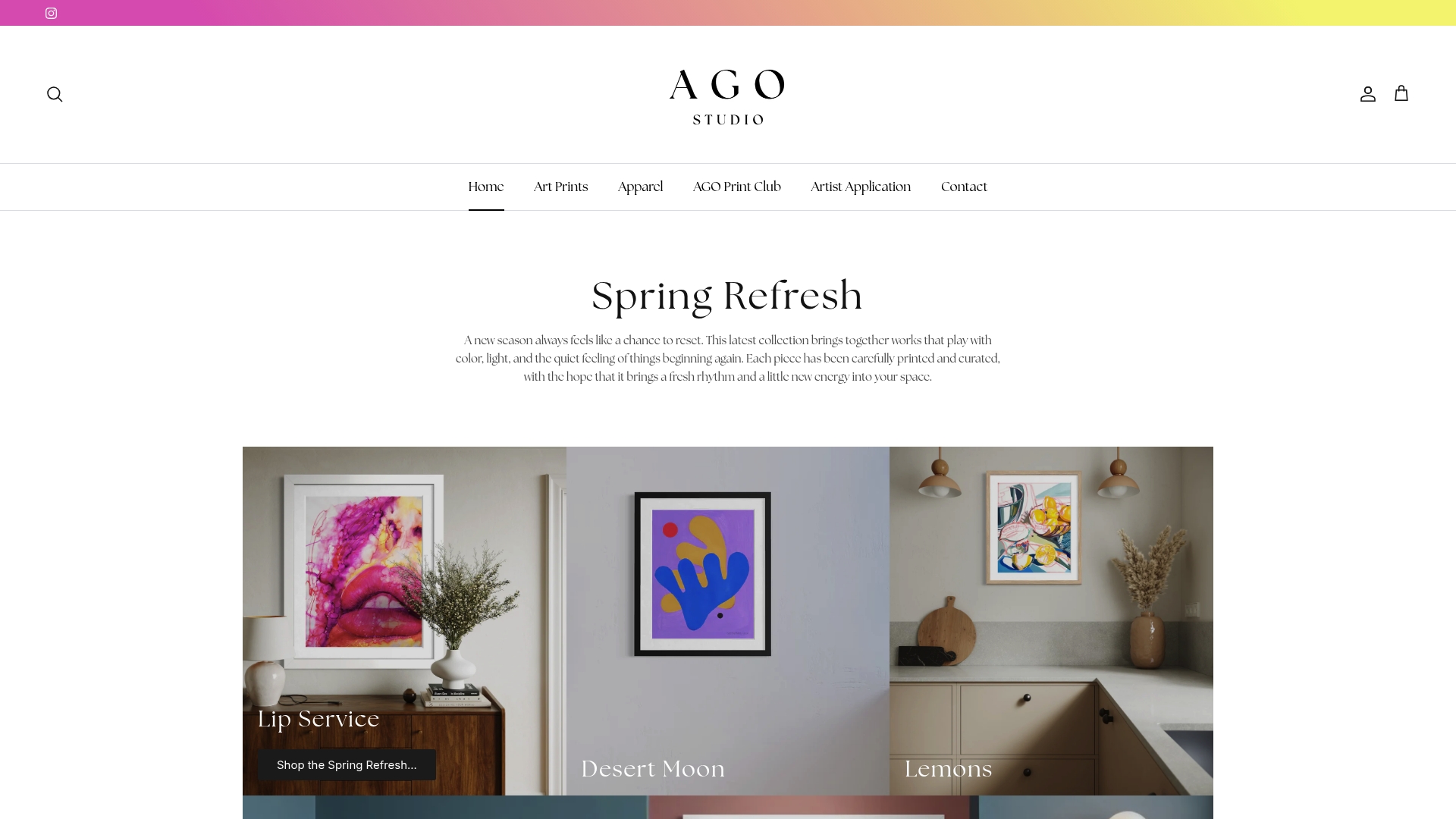
Every piece in the art prints collection is chosen because it holds something of the studio in it: the texture of a decision made in the moment, the color of a specific afternoon, the mark of a hand that knew what it was doing. For readers who want ongoing access to studio-created work, the Artist Print Club delivers exclusive prints from working artists on a regular basis. It is the closest thing to a studio visit you can have without leaving your living room.
FAQ
What is the simplest definition of an artist studio?
An artist studio is a dedicated space where an artist creates and develops their work. Dictionary.com defines it as a room or building used for artistic work, including instruction and experimentation.
Does a studio have to be a separate room?
No. A studio can be any space, including a corner of a room or a temporary outdoor setup, as long as it consistently supports the artist’s creative process.
What is the difference between a studio and an atelier?
An atelier is the formal term for an artist’s workshop, historically associated with training and collaborative production. Today, “studio” and “atelier” are largely interchangeable, though atelier often implies a teaching or apprenticeship context.
Why do artists use rituals in their studios?
Studio rituals act as psychological start cues. Repeated actions trigger creative focus and reduce the mental resistance to beginning work, making the studio a more consistent and productive environment.
What happens at an open studio event?
An open studio is when an artist invites the public into their workspace. Visitors can see work in progress, meet the artist, and often purchase pieces directly, connecting private creative practice to the broader art community.