

A gallery wall is defined as a curated arrangement of framed art, photographs, prints, and personal objects displayed together on one wall to create a unified visual statement. Unlike a traditional art gallery, which organizes work by artist or period, a home gallery wall is built around personality, memory, and feeling. It transforms a blank wall into a living record of who you are. Understanding what a gallery wall means gives you a clear framework for making intentional, lasting design choices rather than hanging pieces at random.
What does gallery wall mean in home decor?
A gallery wall is not just a collection of frames. It is a curated visual arrangement that tells a story through the deliberate selection and placement of art, photos, and objects. The key word is curated. Every piece earns its place by contributing to a shared mood, color story, or personal narrative.
Several elements define a successful gallery wall:
- Art and objects: Framed prints, original paintings, family photographs, mirrors, ceramic plates, woven textiles, and sculptural objects all qualify. The medium matters less than the meaning.
- Cohesion: A shared color palette, consistent frame finish, or recurring theme ties unlike pieces together. Without cohesion, a wall reads as clutter rather than composition.
- Spacing: Professional installers maintain a consistent gap of 2–3 inches between all framed pieces. This prevents the display from looking chaotic or unfinished.
- Intentionality: Each piece is chosen, not defaulted to. A gallery wall differs from a random accumulation of frames because every item reflects a deliberate decision.
- Visual story: The arrangement guides the eye from one piece to the next, creating a rhythm that feels satisfying rather than scattered.
The gallery wall definition in interior design sits at the intersection of personal expression and compositional discipline. You bring the meaning; the layout brings the order.
How do professional designers plan and hang a gallery wall?
Professional designers treat gallery wall planning as a sequencing problem, not a taste problem. Designers emphasize that gallery walls succeed based on the order of operations rather than just aesthetic preference. Get the sequence right, and the taste takes care of itself.
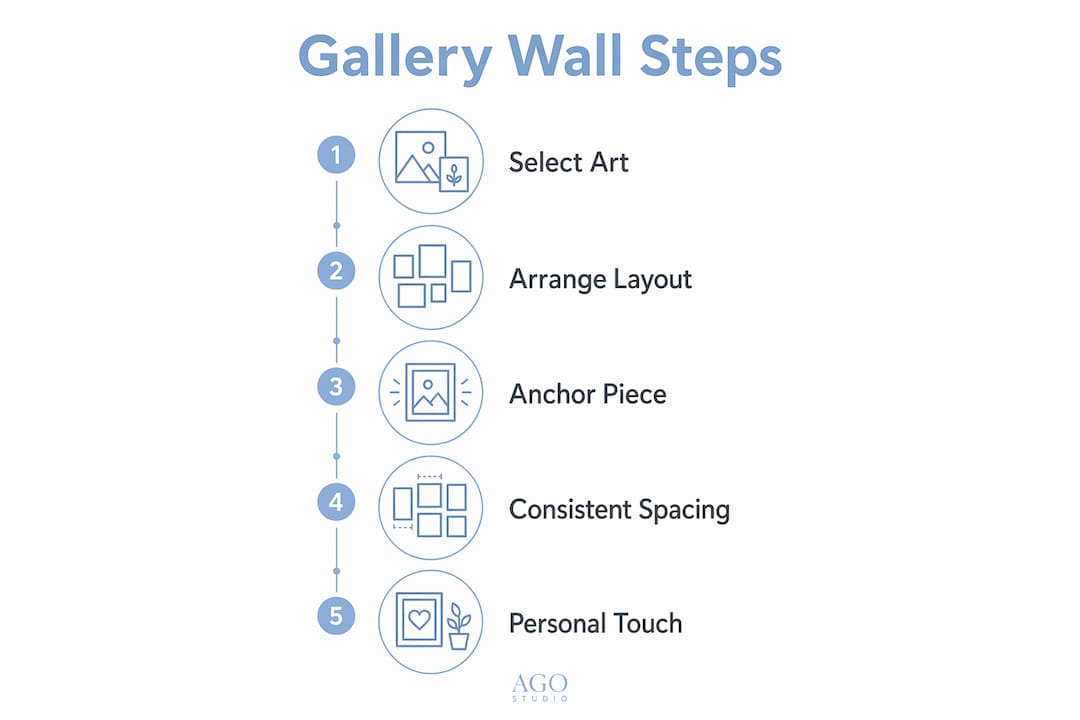
Here is the process designers follow:
- Define the shape first. Decide whether your arrangement will be a rectangle, an L shape, a horizontal band, or a loose organic cluster. Defining the shape before selecting pieces prevents the common mistake of buying random frames that never fit together.
- Choose your anchor piece. The anchor is the largest or most visually dominant piece in the arrangement. Anchor pieces guide the eye and give the wall a visual starting point. Without one, the arrangement overwhelms the viewer.
- Hang the anchor at optical center. The optical center of the entire arrangement should sit at approximately 57–60 inches from the floor, aligning with the average human eye level. This is the center of the whole grouping, not each individual piece.
- Work outward from the anchor. Never start hanging from a corner or edge. Place the anchor first, then build the remaining pieces outward, maintaining your 2–3 inch gaps throughout.
- Scale to your furniture. When hanging above a sofa or console, the gallery wall should span 60–75% of the furniture’s width to look proportional. A wall that is too narrow above a wide sofa looks like an afterthought.
- Test on paper first. Trace each frame onto kraft paper, cut out the shapes, and tape them to the wall with painter’s tape. Adjust the layout before making a single nail hole.
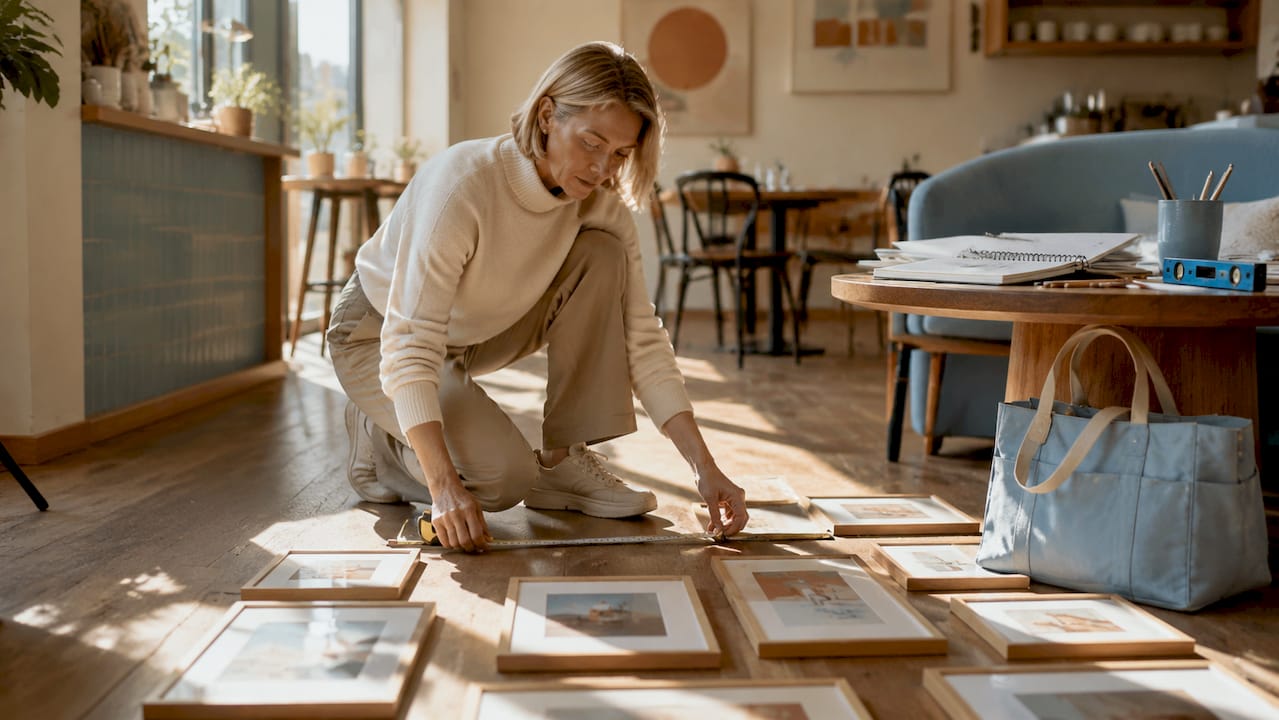
Pro Tip: Lay all your pieces on the floor in the intended arrangement before touching the wall. Photograph the layout from standing height. What looks balanced on the floor will look balanced on the wall.
Sequencing the placement, starting with an anchor and organizing outward, turns a chaotic set of frames into a cohesive narrative. The planning stage takes longer than the hanging stage. That ratio is correct.
What are the gallery wall trends shaping 2026?
The defining shift in 2026 gallery wall design is a move away from perfectly symmetrical, store-bought arrangements toward something more personal and layered. Interior styling is seeing a quiet renaissance of full walls that prioritize pieces collected over time with genuine personal meaning. The result feels lived in rather than staged.
The biggest stylistic changes include:
- Collected over curated: The shift from curated to collected aesthetics means mixing eras, finishes, and deliberately clashing colors. A vintage oil painting next to a modern print next to a ceramic wall piece is now a design choice, not a mistake.
- Mixed mediums: Mixing paintings, ceramics, and textiles alongside framed art enriches the texture and story of a wall. A woven piece or a small shelf with objects adds dimension that flat frames alone cannot achieve.
- The everyday exhibit: The 2026 gallery wall functions as a personal everyday exhibit, reflecting a space that is genuinely lived in. Symmetry is optional. Story is not.
- Asymmetrical anchoring: Designers still use an anchor piece, but the surrounding arrangement is deliberately asymmetrical. Balance is achieved through visual weight, not mirror-image placement.
- Handmade and imperfect: A slightly uneven frame, a hand-painted piece, or a print with visible texture signals authenticity. Perfection reads as generic.
These trends reflect a broader cultural shift. People want their homes to feel like theirs, not like a showroom. The gallery wall is the most direct way to make that happen.
How can you personalize your gallery wall to reflect your story?
Personalization is what separates a gallery wall from a wall with frames on it. The goal is to build an arrangement that could only belong to you. That requires choosing pieces with genuine emotional or aesthetic significance, not just pieces that match the sofa.
Practical steps for building a personal gallery wall:
- Start with what you already own. Travel photographs, postcards, a sketch from a friend, a print you bought years ago. These pieces carry meaning that store-bought sets cannot replicate.
- Mix family photos with artwork deliberately. Place a black-and-white family photograph next to an abstract print. The contrast creates visual interest and personal warmth at the same time.
- Combine frame styles with intention. Matching every frame reads as safe. Mixing black frames, natural wood, and thin gold frames reads as collected. The key is choosing a maximum of three frame finishes and repeating them across the arrangement.
- Plan for growth. Leave deliberate gaps in your layout for pieces you have not found yet. A gallery wall that evolves over years tells a richer story than one assembled in an afternoon.
- Use original art as anchors. An original painting or a limited-edition print carries visual authority that reproductions cannot match. It becomes the piece that everything else organizes around.
Pro Tip: When mixing frame styles, repeat each finish at least twice across the arrangement. One gold frame reads as an accident. Three gold frames read as a choice.
Agostudio selects original artworks specifically for their ability to evoke nostalgia and warmth. Pieces chosen for emotional resonance rather than trend alignment tend to anchor gallery walls that feel genuinely personal rather than assembled.
Key Takeaways
A gallery wall succeeds when personal meaning and compositional discipline work together, not when one overrides the other.
| Point | Details |
|---|---|
| Gallery wall definition | A curated arrangement of art, photos, and objects on one wall creating a unified visual statement. |
| Spacing standard | Maintain 2–3 inch gaps between all pieces to prevent a chaotic or unfinished appearance. |
| Anchor piece first | Always hang the largest piece at optical center (57–60 inches from floor) before placing other pieces. |
| Collected beats curated | 2026 trends favor personally meaningful, mixed-medium arrangements over symmetrical store-bought sets. |
| Plan before you hang | Define the wall shape, test with paper cutouts, and photograph the floor layout before making nail holes. |
Why gallery walls are the most honest thing in your home
I have spent years looking at how people decorate their walls, and the gallery wall is the one format that consistently reveals character. A single large print tells you someone has taste. A gallery wall tells you who they actually are.
The mistake I see most often is treating the gallery wall as a one-time project. People spend a weekend assembling something that looks complete, and then they stop. The walls that genuinely move people are the ones that have been added to over years. A postcard from a trip in 2019 next to a print bought last month next to a photograph taken decades ago. That layering is not a design flaw. It is the whole point.
The 2026 shift toward collected aesthetics is the most encouraging design trend I have seen in years. It gives people permission to stop waiting until they have the “right” pieces and start with what they already love. The transformative power of art in a living space comes from meaning, not from matching.
My honest advice: plan the structure carefully, then let the content be messy. Get the anchor right, get the spacing right, and then fill the wall with things that matter to you. The result will be better than anything you could buy pre-assembled.
— DAVID
Agostudio’s art prints for your gallery wall
Building a gallery wall starts with finding pieces that genuinely move you. Agostudio curates original artworks and limited-edition prints selected for emotional resonance, the kind of pieces that become the anchor of an arrangement rather than filler around it.
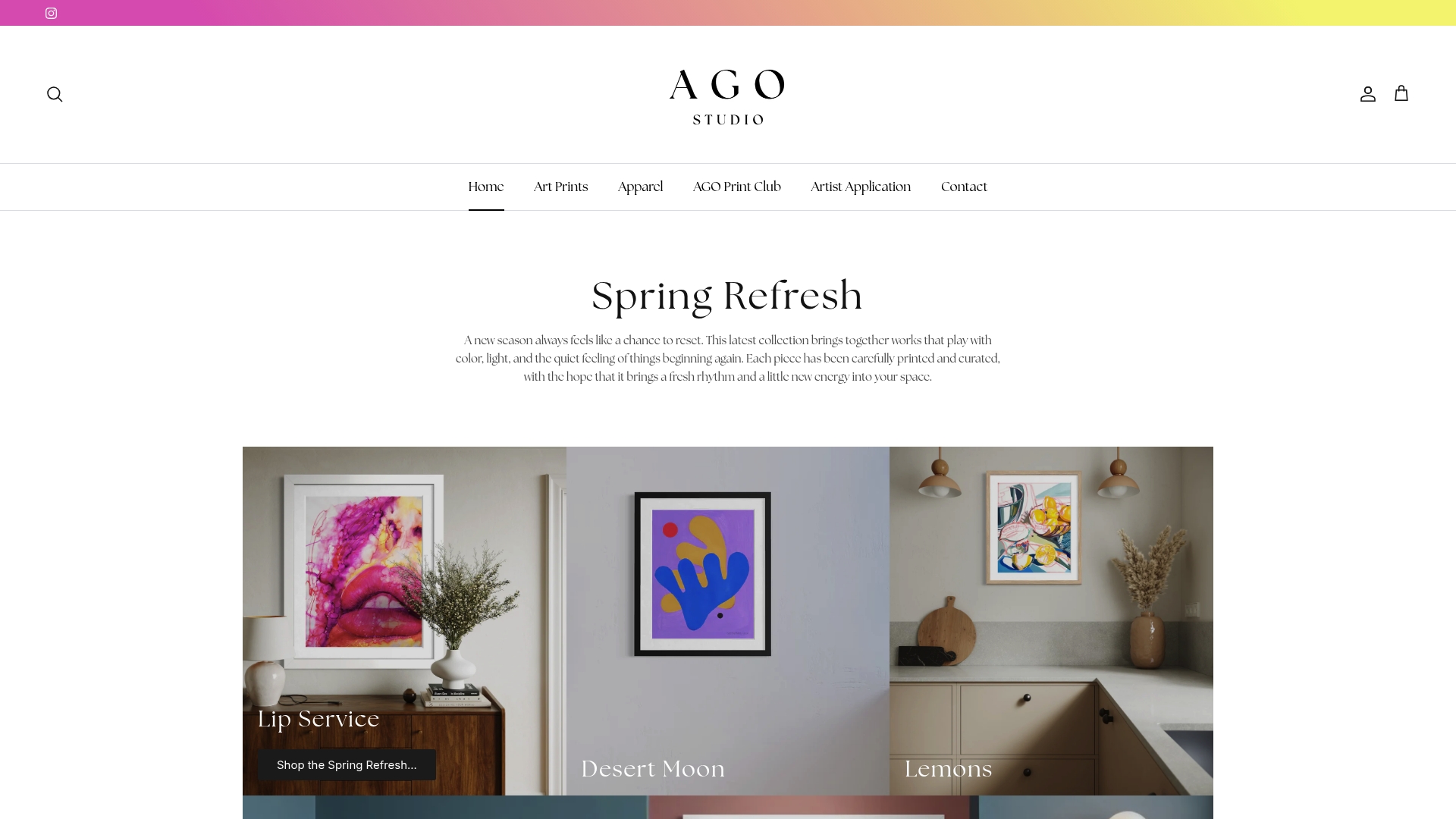
The Agostudio art prints collection offers a range of works across styles and scales, making it straightforward to find an anchor piece or a supporting print that fits your existing arrangement. For homeowners who want their gallery wall to grow over time, the Artist Print Club delivers new curated works regularly, giving you a steady source of meaningful pieces without the pressure of finding everything at once. Each work is chosen to feel personal, not generic.
FAQ
What is a gallery wall in simple terms?
A gallery wall is a group of framed art, photographs, and objects arranged together on one wall to create a single, unified display. It differs from hanging individual pieces because the arrangement itself is the design.
How many pieces do you need for a gallery wall?
A gallery wall can work with as few as three pieces, though most arrangements use five or more to create visual impact. The number matters less than the cohesion between pieces.
What should you include in a gallery wall?
A gallery wall can include framed prints, original paintings, family photographs, mirrors, ceramic objects, and textiles. The best arrangements mix mediums while maintaining a shared color palette or theme.
How far apart should gallery wall frames be?
Frames should be spaced 2–3 inches apart consistently across the entire arrangement. Consistent spacing prevents the display from looking cluttered or unplanned.
What is the difference between a gallery wall and a feature wall?
A gallery wall uses multiple pieces arranged as a group, while a feature wall typically relies on a single large artwork, bold paint color, or wallpaper to create impact. Both approaches define a room, but a gallery wall carries more personal narrative.