

Advocating for artist work is defined as the active promotion and support of an artist’s visibility, rights, and career through targeted storytelling, strategic outreach, and sustained relationship-building. Artists who receive consistent advocacy sell more work, build stronger communities, and maintain longer careers. Organizations like the Featured Artists Coalition demonstrate that protecting supporting artist rights requires both narrative clarity and structural support. Whether you are an artist, a community organizer, or a dedicated supporter, knowing how to advocate for artist work gives you a real advantage in a crowded creative market.
How to advocate for artist work: building your foundation
Every effective advocacy effort starts with preparation. Before you pitch a gallery, post on social media, or reach out to a curator, you need a clear set of assets that tell the artist’s story with precision.
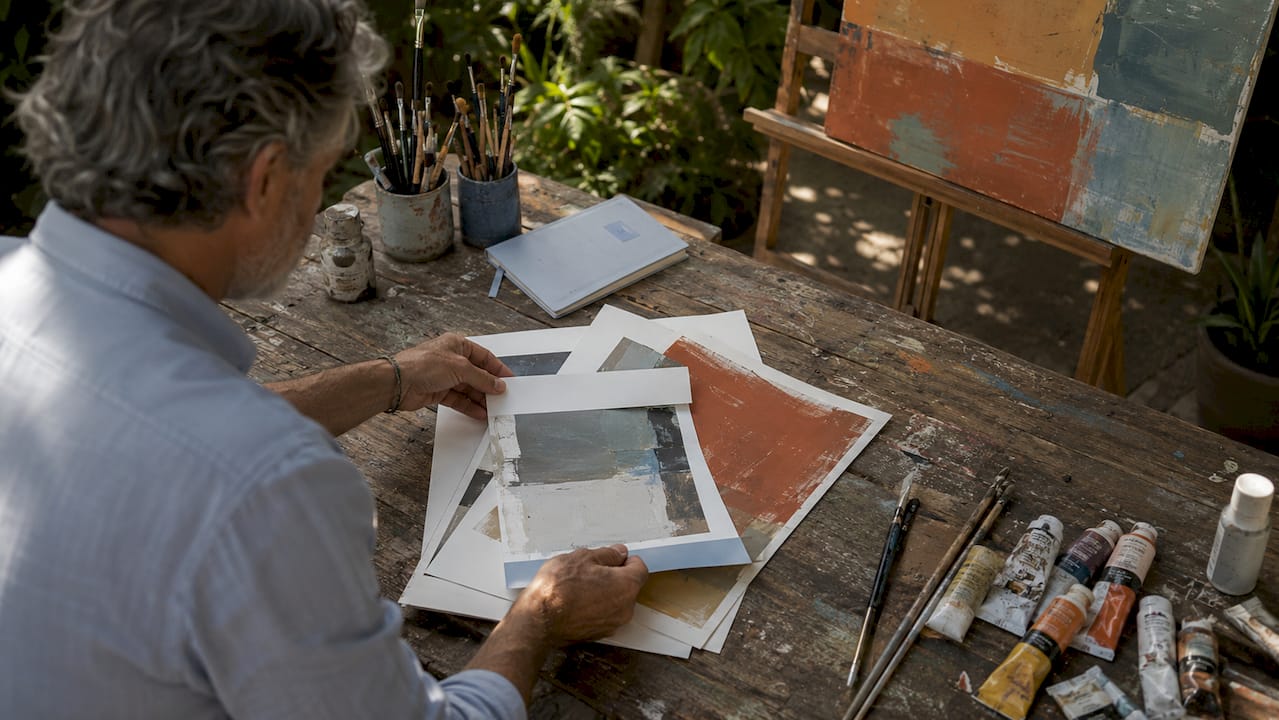
The artist statement is the single most important document in any advocacy toolkit. Artist statements run 200–300 words and should explain the artist’s intent, process, and the ideas behind the work. That length is not arbitrary. It is short enough to hold attention and long enough to establish credibility. A statement that runs two pages loses readers. One that runs two sentences loses authority.
Beyond the statement, every artist needs a professional bio and a short elevator pitch. The bio works for press releases and gallery submissions. The elevator pitch works for events, introductions, and casual conversations. Both should use concrete, active language. Avoid phrases like “explores the human condition” in favor of something specific: “paints large-scale portraits of first-generation immigrants using oil and encaustic wax.”
A personal artist website serves as the central hub for all advocacy. It should display the portfolio, the artist statement, pricing, and a contact form. Social media platforms change their algorithms constantly. A website stays under the artist’s control.
- Write a 200–300 word artist statement focused on intent and process
- Create a short professional bio (third person, under 100 words) for press and gallery use
- Build a simple website with portfolio, pricing, and contact information
- Develop a one-sentence elevator pitch for in-person introductions
- Start an email list from day one to build an owned audience
Pro Tip: Use your email list as your primary advocacy channel. Social platforms can suppress your reach overnight. An email list belongs to you and reaches subscribers directly.
How do digital platforms amplify artist advocacy?
Digital platforms give artists and advocates access to audiences that no local gallery can match. The key is using them with intention, not desperation.
Consistent content release every 6–8 weeks builds momentum without burning out the artist or the audience. This principle applies directly to visual artists. Releasing new work, behind-the-scenes process videos, or collector stories on a regular schedule trains your audience to expect and anticipate your content. Sporadic posting produces sporadic results.
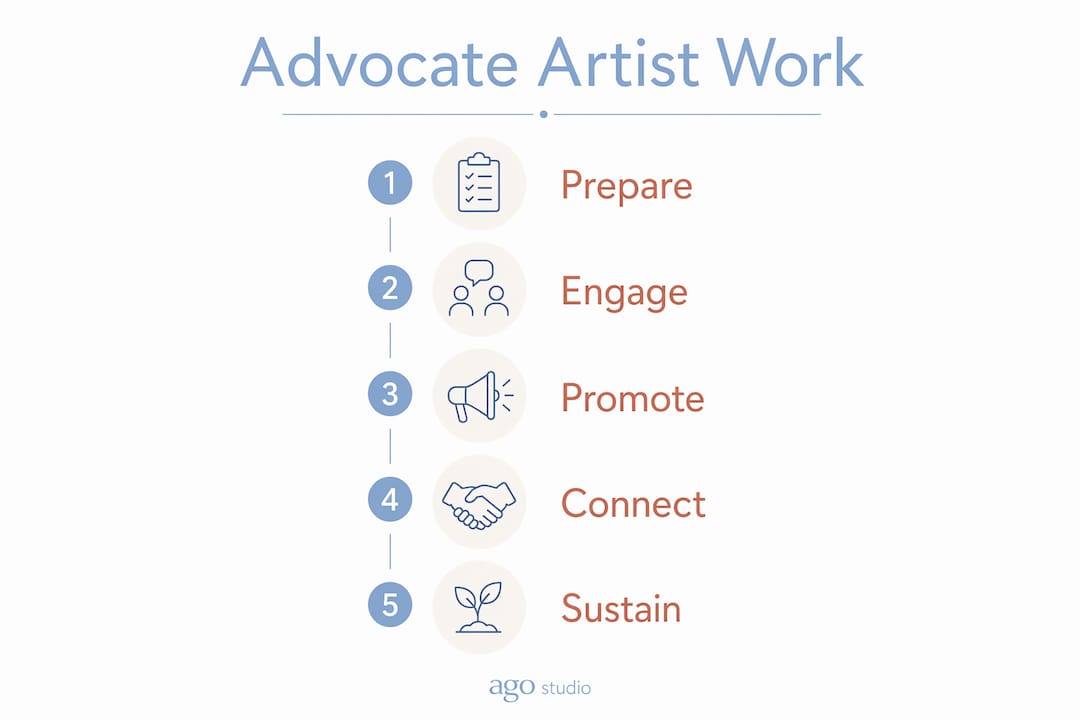
Submitting work for editorial consideration follows a clear timeline standard. Advance submission at least 7 days before a planned feature date gives editors and curators time to review and schedule. Missing that window means missing the opportunity entirely.
The most effective digital advocacy combines two tracks:
- Short-form content on platforms like Instagram and TikTok for awareness and discovery
- Longer storytelling through email newsletters, blog posts, or YouTube for retention and trust
Authentic outreach to independent curators, art blogs, and online communities produces better results than mass messaging. Write a specific, personal note that references the curator’s past work. Generic outreach gets ignored. Specific outreach gets read.
- Post consistently rather than constantly. Quality over frequency.
- Engage with curator and gallery accounts before pitching them.
- Use saves, follows, and shares as signals of genuine audience interest.
- Avoid paid promotion until organic content shows real engagement.
Pro Tip: Before paying for any promotion service, ask for a detailed breakdown of what work they will actually perform. Legitimate promotion services sell measurable deliverables like ad management or curator outreach, not guaranteed follower counts or placement promises.
Dual-track promotion combining short-form digital content with longer-form storytelling and event exposure is the most effective model for emerging artists. Digital attention fades fast. Depth and story create the retention that turns a viewer into a collector.
Why does in-person community building matter for artist advocacy?
Physical presence builds a level of trust that no digital channel can fully replicate. Studio visits, openings, and art events create authentic connections that lead to lasting relationships, referrals, and sales. A collector who meets an artist in person and hears the story behind a piece is far more likely to buy and recommend than one who only scrolled past a post.
Participating in art fairs, community exhibitions, and local openings puts the artist in front of curators, collectors, and fellow artists simultaneously. The follow-up after these events matters as much as the event itself. Send a personal note within 48 hours. Reference the specific conversation you had. That follow-up is what separates a memorable connection from a forgotten handshake.
Artist collectives and curated studios amplify individual advocacy by pooling resources, audiences, and credibility. A collective can apply for grants, organize group shows, and share promotional costs in ways that individual artists cannot. Joining or forming one is one of the highest-leverage moves an advocate can make.
- Attend at least one local art event per month to stay visible in your community
- Follow up with new contacts within 48 hours of meeting them
- Offer studio visits to serious collectors and curators
- Partner with local businesses, libraries, or community centers for pop-up exhibitions
- Support other artists publicly. Advocacy is reciprocal.
Pro Tip: Bring printed artist cards to every event. A physical card with a QR code linking to the artist’s website gives people a tangible reminder of the work and makes follow-up easy.
What mistakes undermine artist advocacy efforts?
The most common advocacy mistake is using language that sounds impressive but communicates nothing. Phrases like “liminal spaces of identity” or “deconstructing the gaze” alienate general audiences and confuse collectors. Clear, concrete narrative across every platform builds professional credibility. Vague art language does the opposite.
Relying on viral social media trends is equally risky. A trending audio clip or hashtag can spike views for 72 hours and then disappear entirely. Advocacy built on trends has no foundation. Advocacy built on consistent storytelling and owned audiences compounds over time.
Avoid any promotion service that guarantees specific outcomes like streams, placements, or follower counts. Authentic promotion delivers verifiable work: PR outreach, ad management, or curator introductions. Guarantees signal fraud and can damage an artist’s reputation with the very gatekeepers you are trying to reach.
Pricing inconsistency destroys trust faster than almost anything else. If an artist quotes one price in person and lists a different price online, collectors notice. Professionalism in pricing, communication, and delivery signals that the artist takes their work seriously. Advocates should help artists establish and hold firm pricing structures.
Marketing planned in 8-week cycles with a focus on owned-audience growth reduces the burnout that comes from chasing every new platform. Sustainable systems outperform sporadic campaigns every time. Build a rhythm, then protect it.
Finally, artist rights in the digital age require active attention. Explicit creator consent for how artwork is used, particularly regarding AI training datasets, is a non-negotiable part of modern advocacy. Advocates should help artists understand their rights and include clear usage terms on their websites and in their contracts.
Key Takeaways
Effective artist advocacy requires clear narratives, consistent digital presence, authentic in-person relationships, and sustainable promotion systems built around owned audiences.
| Point | Details |
|---|---|
| Start with a strong narrative | Write a 200–300 word artist statement using concrete, active language before any outreach. |
| Build an owned audience | Grow an email list from day one to reduce dependence on social media algorithms. |
| Use dual-track promotion | Combine short-form digital content with longer storytelling to build both awareness and trust. |
| Show up in person | Studio visits and art events build the authentic relationships that convert viewers into collectors. |
| Protect artist rights | Include explicit usage terms on websites and contracts, especially regarding AI and digital reproduction. |
Advocacy is a long game, not a launch
Most advocates I have worked with want results in 30 days. That expectation sets them up for frustration. The artists who build lasting careers do not go viral once. They show up consistently, tell their story clearly, and build relationships that compound over years.
The single biggest shift I have seen in effective advocacy is treating marketing as part of the creative life rather than a separate burden. When an artist writes their statement, updates their website, and sends a newsletter, they are not doing “business stuff.” They are extending the work into the world. That reframe changes everything.
Owned-audience cultivation is the most underrated tool in the advocate’s kit. Algorithms change. Platforms disappear. An email list of 500 people who genuinely care about an artist’s work is worth more than 50,000 passive followers. I have watched artists with modest social followings sell out shows because their email list was warm, personal, and consistent.
The advocates who get the best results are patient, specific, and generous. They celebrate other artists publicly. They follow up after every event. They write personal outreach notes instead of copy-paste pitches. None of that is glamorous. All of it works.
— DAVID
Agostudio: a direct way to support emerging artists
Buying and sharing original art is one of the most direct forms of advocacy available.
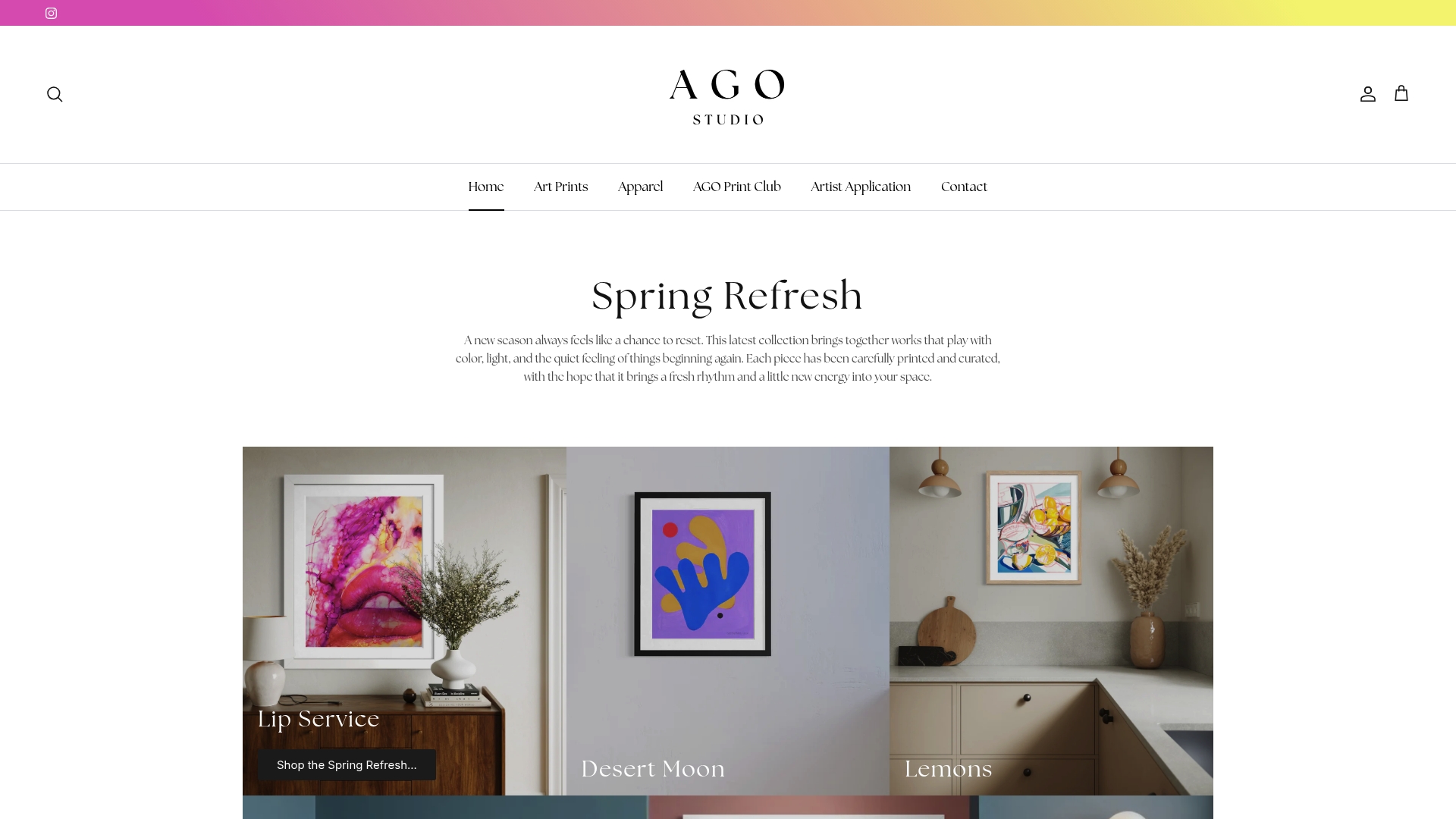
Agostudio curates and sells original artworks and prints from real artists whose work carries genuine emotional weight. Every piece in the art prints collection is selected for its authenticity and its ability to transform a space into something meaningful. For advocates who want ongoing involvement, the Artist Print Club offers a way to support emerging artists through exclusive print releases on a regular basis. Purchasing and sharing these works puts money directly into artists’ hands and puts their work in front of new audiences. That is advocacy in its most concrete form.
FAQ
What does it mean to advocate for artist work?
Advocating for artist work means actively promoting an artist’s visibility, career, and rights through storytelling, outreach, and relationship-building. It goes beyond sharing a post. It includes building professional assets, connecting artists with curators, and protecting their rights.
How long should an artist statement be?
An artist statement should be 200–300 words. That length is enough to explain intent, process, and context without losing the reader’s attention.
How do I support local artists without a large budget?
Attend their events, share their work on social media with proper credit, write reviews, and introduce them to your network. Word-of-mouth referrals and personal introductions cost nothing and carry significant weight with collectors and curators.
What is the biggest mistake in promoting artist careers?
Using vague, jargon-heavy language that confuses general audiences is the most common mistake. Clear, concrete descriptions of the work and the artist’s process build far more trust than abstract art speak.
How do I know if a promotion service is legitimate?
Legitimate promotion services describe specific, measurable work they will perform, such as PR outreach, ad management, or curator introductions. Any service that guarantees follower counts, streams, or placement results is not delivering authentic advocacy.