

Art is the single most powerful tool for transforming a house into a home that reflects who you actually are. Most people treat it as the last purchase, the thing they hang after the furniture arrives and the paint dries. That instinct is wrong, and it costs them rooms that feel assembled rather than lived in. Understanding why art matters in decor means recognizing it as a design driver, not a finishing touch. The importance of art in home goes far beyond aesthetics. Art shapes color palettes, controls mood, and tells your story to everyone who walks through the door.
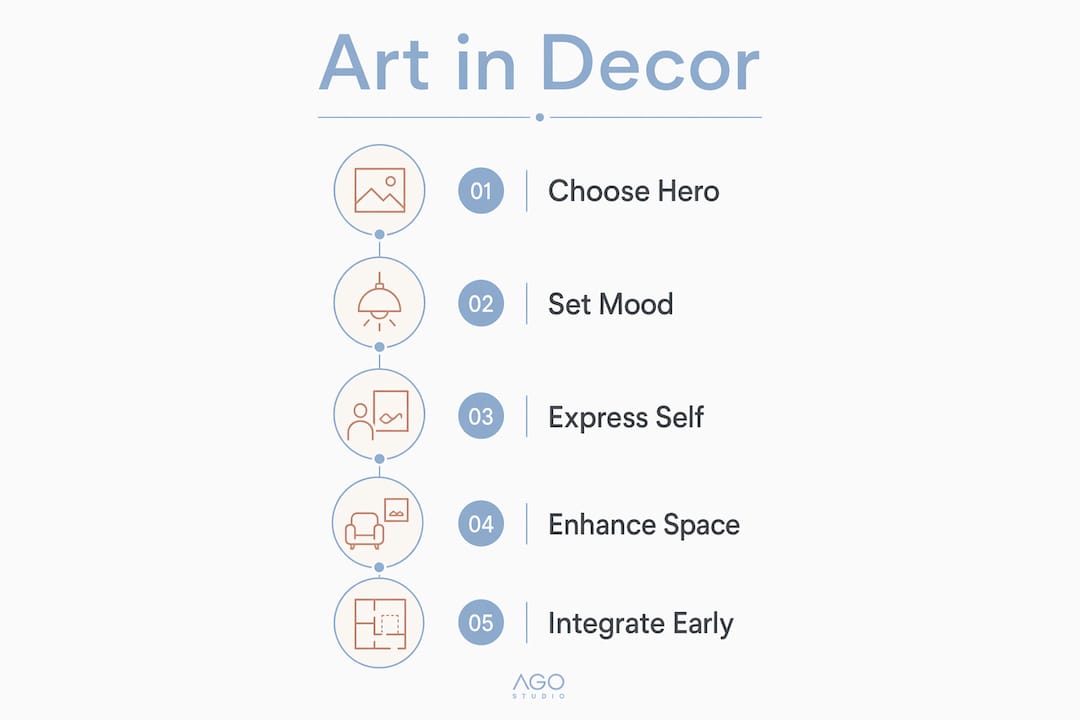
Why art matters in decor: the design case
Art is a center of gravity in any well-designed room. Integrating art at the start of a design project enables the artwork to dictate room proportions, color palettes, and lighting strategies. That means your sofa color, your rug scale, and your light fixture height all flow from the art, not the other way around. The result is a space that feels intentional rather than pieced together.
The impact of art on decor extends to every sensory layer of a room. A large abstract canvas with warm ochres and deep blues gives you an instant palette to pull from. A black-and-white photograph creates contrast and calm. A sculptural ceramic piece on a shelf adds texture that no paint color can replicate. Each choice sets a tone before a single piece of furniture is selected.
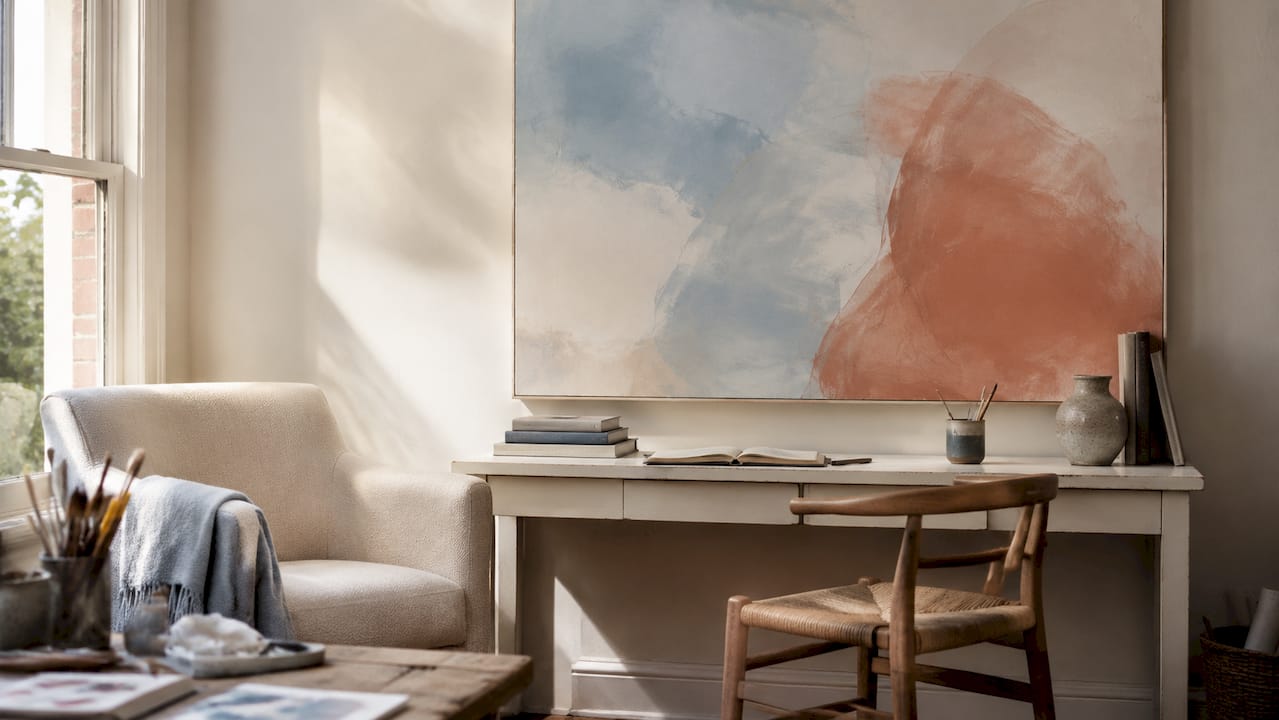
Art also controls how a room feels at different times of day. Strategically placed artworks serve as focal points that guide attention, establish mood, and provide spatial structure. A piece positioned to catch morning light reads differently at noon. That dynamic quality makes art the only design element that genuinely changes without moving.
Key ways art shapes spatial design:
- Color direction: A single painting can define an entire room’s palette, eliminating guesswork on paint and fabric choices.
- Scale and proportion: Large-format works make ceilings feel higher. Small clustered pieces draw the eye inward and create intimacy.
- Lighting strategy: Art placement determines where you need directional light, which in turn shapes the room’s overall lighting plan.
- Mood anchoring: The emotional register of a piece, whether energetic or serene, sets the baseline feeling of the room.
Pro Tip: Choose your hero art piece before you buy a single piece of furniture. Bring fabric swatches and paint chips to the gallery or studio, not the other way around.
How art expresses who you are
A room full of trend-driven decor tells no story. Art does. The most impactful interiors reveal something authentic about their inhabitants through art, creating tension and individuality that no furniture collection can replicate. New York gallerists consistently make this point: art should create connection, not just match visual palettes.
Think of art as visual shorthand for your life experience. A print from a city you lived in for a decade says more about you than any throw pillow. A painting by an artist whose work moved you at a gallery opening carries emotional weight that a mass-produced canvas never will. These choices accumulate into a room that reads as genuinely yours.
“Authentic interiors use art that reveals the inhabitant’s personality, creating tension and individuality unavailable through generic decor. Art should be a center of gravity influencing scale, light, and proportions, not simply a match for the sofa.” — Leading gallerists, as cited in Vogue Adria
The concept of “decorator art” describes pieces chosen purely to match furniture or fill wall space. It is the opposite of meaningful selection. Decorator art dilutes the emotional impact of a room because it signals that no real choice was made. Rooms built around decorator art feel like hotel lobbies: pleasant but forgettable.
Authentic art selection involves:
- Personal resonance: Choose pieces that trigger a genuine reaction, not just approval from guests.
- Narrative coherence: Your collection across rooms should tell a connected story, even if the styles vary.
- Artist connection: Knowing something about the artist deepens your relationship with the work over time.
- Avoiding trend traps: What is popular in design media this year will feel dated in three. What moves you personally will not.
The role of art in self-expression is not a soft concept. It is the difference between a room that guests remember and one they forget the moment they leave.
Practical tips for selecting and living with art
Choosing art for your home is different from admiring art in a museum. Art in the home interacts daily with life rituals, seasons, and personal history, creating a relationship unique from the controlled museum context. That intimacy is the point, but it also demands practical thinking.
Follow these steps when selecting art for your space:
- Start with the room’s function. A bedroom calls for work that promotes calm. A home office benefits from pieces that stimulate focus and creativity. A dining room can handle bolder, more energetic work because you engage with it in shorter, social bursts.
- Assess your light conditions. Home art must endure daily conditions like natural light changes and humidity, which affects both the work’s longevity and how it reads throughout the day. West-facing rooms flood with warm afternoon light. North-facing rooms stay cool and consistent. Match the piece to the light, not just the wall.
- Consider scale before you buy. Photograph the wall with a piece of tape marking the intended dimensions. A work that looks large in a gallery can disappear on a 12-foot wall.
- Think about maintenance. Original works on paper need UV-protective glass. Oils need stable humidity. Art prints on quality stock are more forgiving and still deliver strong visual impact.
- Plan for evolution. Your taste will change. Buy pieces you love now, but leave room on your walls and in your budget to add work as you grow.
Pro Tip: Hang art at eye level for the average standing height, which is approximately 57–60 inches from the floor to the center of the piece. Rooms where people mostly sit, like dining rooms, can go slightly lower.
Art in a home office deserves special attention. Research consistently links art and interior design choices in workspaces to measurable improvements in focus and creative output. A single well-chosen piece above a desk can reframe the entire energy of a work session.
Common mistakes when incorporating art in decor
The most common mistake is treating art as decoration. Art functions as a psychological catalyst, transforming emotional experiences and connecting physical environments to personal narrative. When you reduce it to wall filler, you lose that function entirely and end up with a room that looks finished but feels empty.
The second mistake is timing. Introducing art after all other design decisions are locked in forces you to find pieces that fit existing constraints rather than pieces that genuinely move you. Leading designers state that including art early in design yields more connected overall ambience and spatial harmony. Late art integration almost always produces a disjointed result.
Common pitfalls to avoid:
- Buying art to match the sofa. This produces decorator art, which signals a lack of genuine engagement with the space.
- Ignoring scale. A piece too small for a wall reads as an afterthought. A piece too large overwhelms the room and competes with everything else.
- Clustering all art in one room. Art’s role in interior aesthetics works best when it flows through the home, creating a consistent narrative from entry to bedroom.
- Neglecting frames. A cheap frame on a quality print undermines the work. The frame is part of the composition.
- Buying only what matches current trends. Trend-driven art choices age quickly and rarely connect to personal identity.
The gallery wall vs. single statement piece decision is one of the most common points of confusion for first-time buyers. Both approaches work, but each requires a different commitment to scale, spacing, and visual weight. Neither works well as an afterthought.
Rooms that feel authentically designed share one trait: the art was chosen first, or at least chosen with the same seriousness as the architecture. Every other element responds to it.
Key Takeaways
Art shapes room design from the ground up, making it the most consequential decorating decision you will make.
| Point | Details |
|---|---|
| Integrate art early | Choose your hero piece before furniture to let it drive color, scale, and lighting decisions. |
| Avoid decorator art | Art chosen only to match furniture loses emotional impact and makes rooms feel generic. |
| Match art to room function | Calm pieces suit bedrooms; energetic work fits social spaces like dining rooms. |
| Account for light and durability | Assess natural light conditions and choose materials that hold up to daily home environments. |
| Let art express identity | Personal resonance matters more than trend alignment when building a collection that lasts. |
Art is the room’s first decision, not its last
I have walked through hundreds of homes where the art was clearly chosen last. You can feel it. The pieces sit on the walls like guests who arrived after the party started. They are polite, inoffensive, and completely forgettable. The rooms feel finished on paper but hollow in person.
The homes that stay with me are the ones where someone made a real choice. A large abstract piece in a hallway that sets the emotional tone for the entire house. A small, intense drawing in a bedroom that you notice differently every morning. These are not expensive choices. They are intentional ones.
What I have learned is that most people underestimate how much a single piece of art can do. It is not just about filling a wall. It is about giving a room a reason to exist beyond function. A bedroom with a painting you love is a different experience than a bedroom without one, even if everything else is identical.
My strongest advice: buy the art before you buy the rug. Let the art tell you what the room needs. You will make fewer mistakes, spend less money correcting them, and end up with a home that actually reflects who you are.
— DAVID
Agostudio: curated art that works in real homes
Finding art that genuinely fits your space and your story is harder than it sounds. Most options are either too generic or too inaccessible.
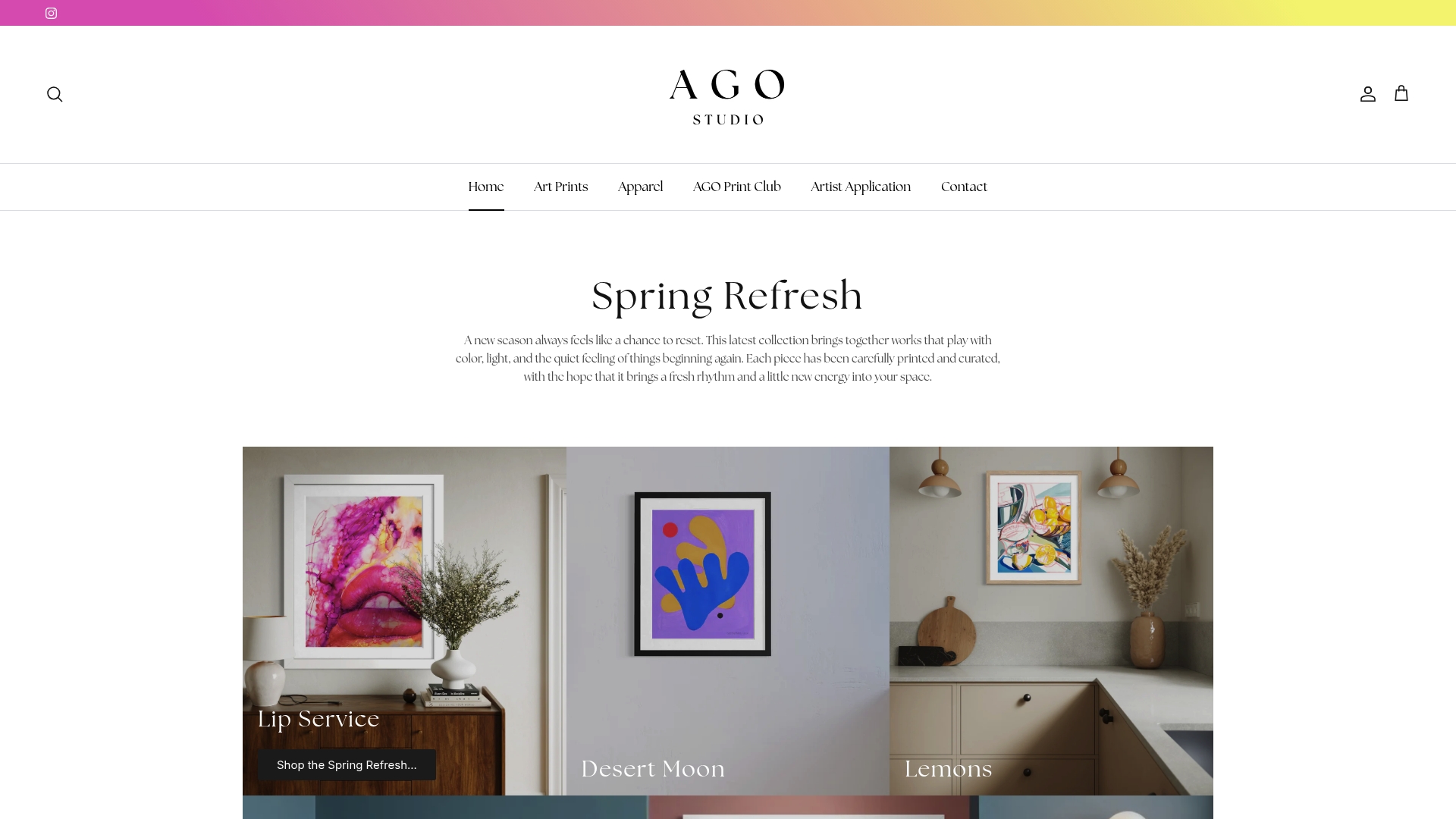
Agostudio curates original artworks and art prints selected specifically for the way people actually live with art, not the way museums display it. Every piece in the collection is chosen for emotional resonance, visual strength, and the ability to anchor a room rather than just fill it. For those who want a regular rotation of new work, the Agostudio Artist Print Club delivers curated prints on a subscription basis, making it easy to build a collection over time without a single overwhelming purchase.
FAQ
Why does art matter more than other decor elements?
Art is the only decor element that simultaneously shapes color, mood, scale, and personal narrative. Every other element responds to it when it is chosen first.
What is decorator art and why should I avoid it?
Decorator art refers to pieces chosen only to match existing furniture or fill wall space. It lacks emotional impact and makes rooms feel generic rather than personal.
When should I introduce art into a design project?
Art should be introduced at the start of a design project, not after furniture and paint are finalized. Early integration allows art to drive the room’s palette, proportions, and lighting plan.
How do I choose art that holds up in a home environment?
Assess your room’s natural light, humidity levels, and traffic before selecting a medium. Art prints with UV-protective framing and quality stock perform well in most home conditions.
Does art in a home office actually improve productivity?
Art in a workspace influences focus and creative output by shaping the emotional register of the environment. A well-chosen piece above a desk changes the energy of the entire work session.